PhD
22 posts tagged.
-
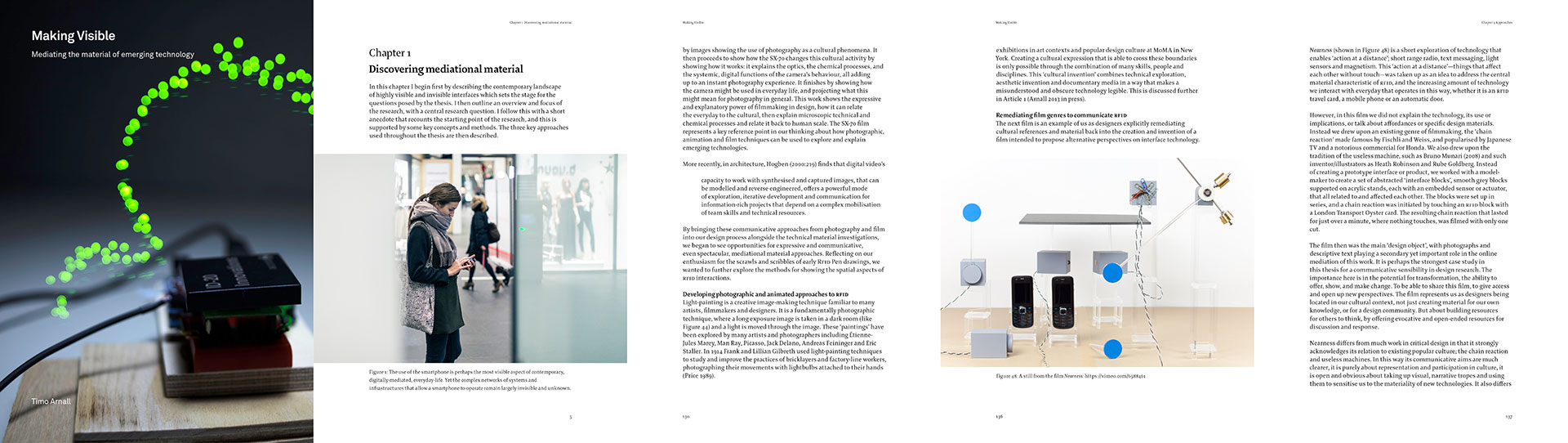
Making Visible
My PhD thesis ‘Making Visible’ was submitted in December 2013 and defended on 12 June 2014. It reflects on the design material exploration research from the Touch and YOUrban projects, situating interaction design with technology as a cultural, material and mediational practice.
-
Olars: physical toy inspired by karl sims evolved creatures
A lovely piece of work by Lars M. Vedeler and Ola Vågsholm from the Tangible Interactions course at The Oslo School of Architecture & Design: Olars on Vimeo
-
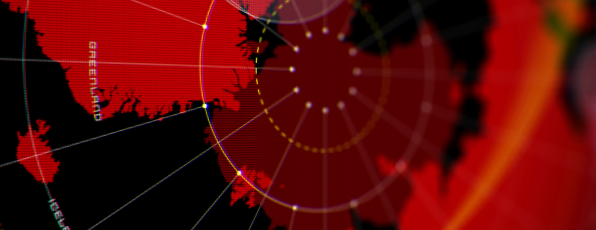
The future is Movie OS
A note on Dan Hon’s Movie OS piece. The idea that Apple is grasping at real-life objects because they support effective visual storytelling is very interesting. Hon argues that visual storytelling hardly exists at all in computer or consumer electronics user interfaces.
-
CCD and computational photography
A few links on imaging and computation: from CCD by Joe Gregorio . Via BERG. from Computational Photography, American Scientist from What Photography Will Look Like By 2060
-
Augmentia
Anselm Hook , one of the founding thinkers of the geo-web, co-organiser of the first ARDevCamp at the Hacker Dojo in Mountain View late last year, lays out the emerging issues with Augmented Reality. He relates it to a whole host of known and unknown problems around ubiquitous computing, semantic publishing and data platforms. A few passages worth holding on to:
-
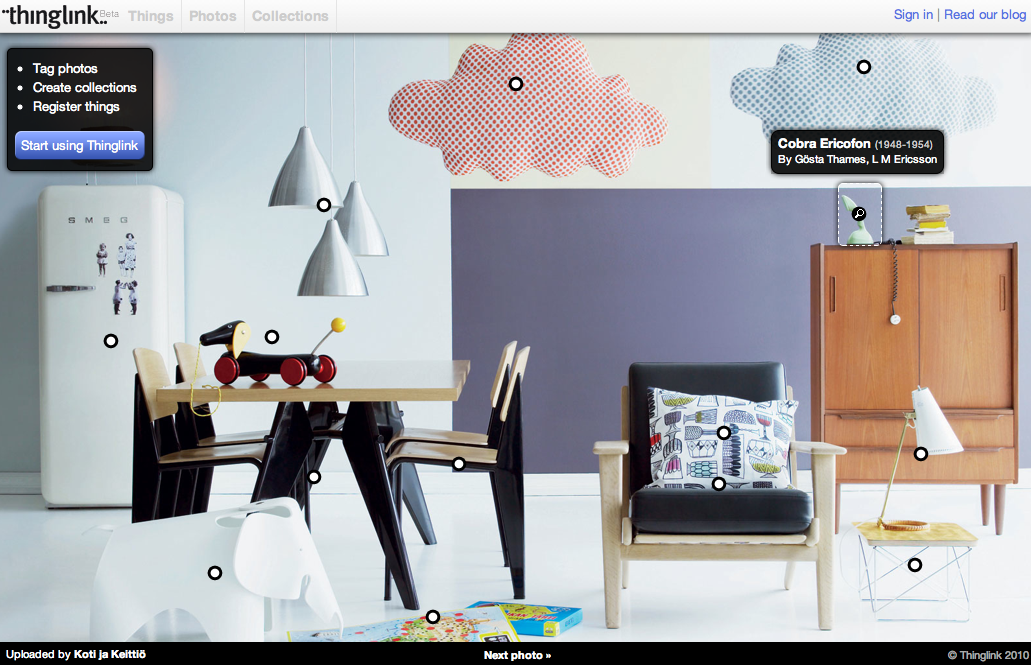
Things
A short note on a cluster of emerging ‘things’ services in early 2010. Thinglink’s exploratory homepage, SVPPLY’s continuous navigation of want, and related services like Thingd and Allconsuming.
-
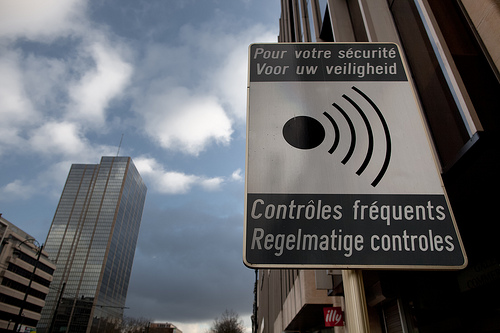
Pour votre sécurité
A single photograph of ‘Pour votre sécurité’ signage, dated 17 January 2010.
-

Speculative practitioners symposium at the AA
A note on the AA School’s symposium on speculative practitioners, bringing in gaming, film, comics, animation, literature and art as alternative models and test sites for architectural imagining.
-
Aurora: Mozilla Labs concept video by Adaptive Path
Aurora is a concept video exploring one possible future user experience for the Web, created by Adaptive Path as part of the Mozilla Labs concept series.
-
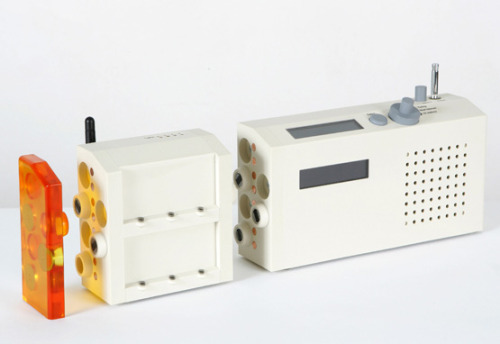
Olinda: digital radio prototypes from Schulze & Webb
A note on Olinda, a set of home digital radio prototypes by Schulze & Webb (later BERG). A small number of fully functioning prototypes showing that it’s possible to design social, Web-like experiences using industry-standard DAB chip-sets and conventional manufacturing.
-
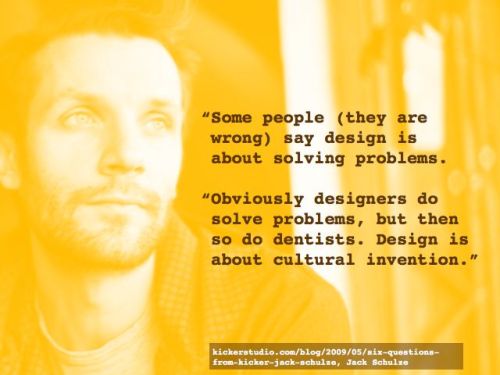
Schulze on design as invention
Jack Schulze, quoted in Matt Webb’s Scope talk at reboot11, arguing that design has to invent, to create new ways of doing things and to contribute to culture. From slide 4 of 44.
-
The original Nintendo Wii trailer
The original trailer for the Nintendo Wii (when it was still the “Revolution”). The first time we got to see such tangible, gestural gaming in the mainstream. (note how little we see the screen)
-
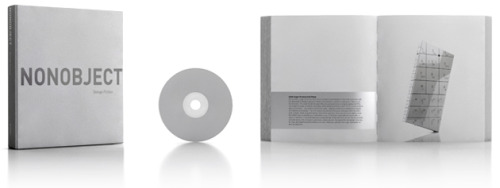
Design fictions as a book
A note on Nonobject’s book of “design fictions”, objects that cannot exist because the material, business plan, manufacturing process, infrastructure or human sensibility is not yet available. Creating them makes it possible to explore the meaning of design at a more profound level and to think more richly about what is and what might be.
-
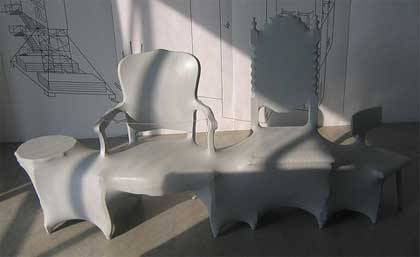
Boelen on critical design’s gimmick problem
A note on Jan Boelen’s argument that when journalists cover Guixé, Bey or Dunne & Raby they tend to pick out the gimmick side of the work and miss the global vision, and that an international crowd has grown up imitating that gimmicky surface. Via we-make-money-not-art.
-
What is critical design?
Critical Design uses speculative design proposals to challenge narrow assumptions, preconceptions and givens about the role products play in everyday life. It is more of an attitude than anything else, a position rather than a method. There are many people doing this who have never heard of the term critical design and who have their own way of describing what they do. Naming it Critical Design is simply a useful way of making this activity more visible and subject to discussion and debate.
-
An idea
We need to find a way of talking about visualisation and forefronting the conceptual and cultural elements of the design practice, while putting the ‘dataviz’ aspects in the background. Also need to find some way of wrapping up the visualisation, evidencing, provocation, probing, aspects of design (need a good word for that).
-
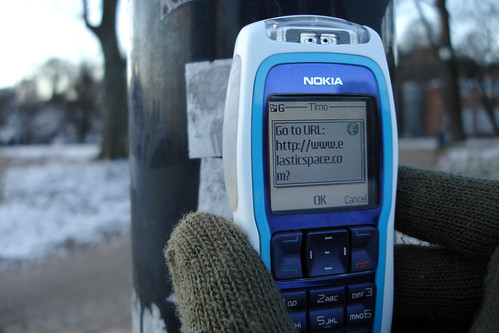
Touch
An AHO research project on what designers should do with NFC. Touch a phone to a tag, the tag answers, something happens. A phone call, an SMS, a URL. Funded by the Research Council of Norway, running since March 2006 with a project weblog at nearfield.org.
-
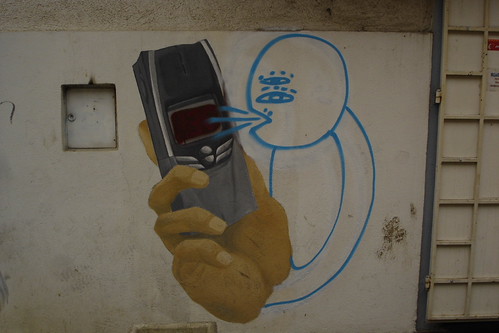
Graffiti as conversation
A short 2005 observation: photographing layers of conversation in graffiti, tagged ‘conversation’ on Flickr, prior art for thinking about spatial annotation on shared public surfaces.
-
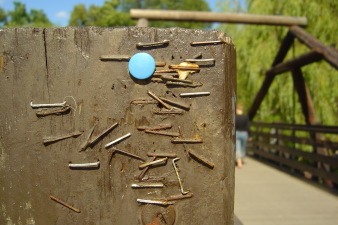
Spatial memory at Design Engaged 2004
Presentation notes from Design Engaged 2004 in Amsterdam. Two related strands: the Time that land forgot project with Even Westvang (five months, 8000 photos, visualised by date and time of day), and the research on marking in urban public space.
-
Public marking photographs
A short September 2004 pointer to a Flickr set of images of stickering, graffiti and flyposting , supporting material for the research into spatial annotation. There’s an ever-updated selection under the “ marking ” tag on Flickr. See the Design Engaged 2004 presentation for fuller context.
-
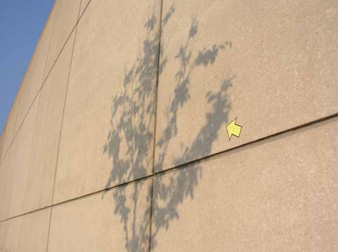
Spatial annotation projects
A reference list I compiled in June 2004 during early PhD research into locative media and spatial annotation. It includes Murmure in Vancouver’s Chinatown, Yellow Arrow stickers, Grafedia’s hyperlinked handwritten text, Urban Tapestries and dozens of others. The list is preserved as a snapshot of a field at a particular moment.
-
Public markup
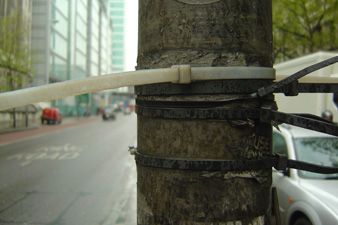
Early PhD research into the marking of public space: the physical annotation of the city through stickering, graffiti and billboards. It looks for patterns in visibility, techniques, process, location, content and audience, and argues that the new short-range digital technologies, especially RFID, should be designed the same way. Not invisible.