Photography
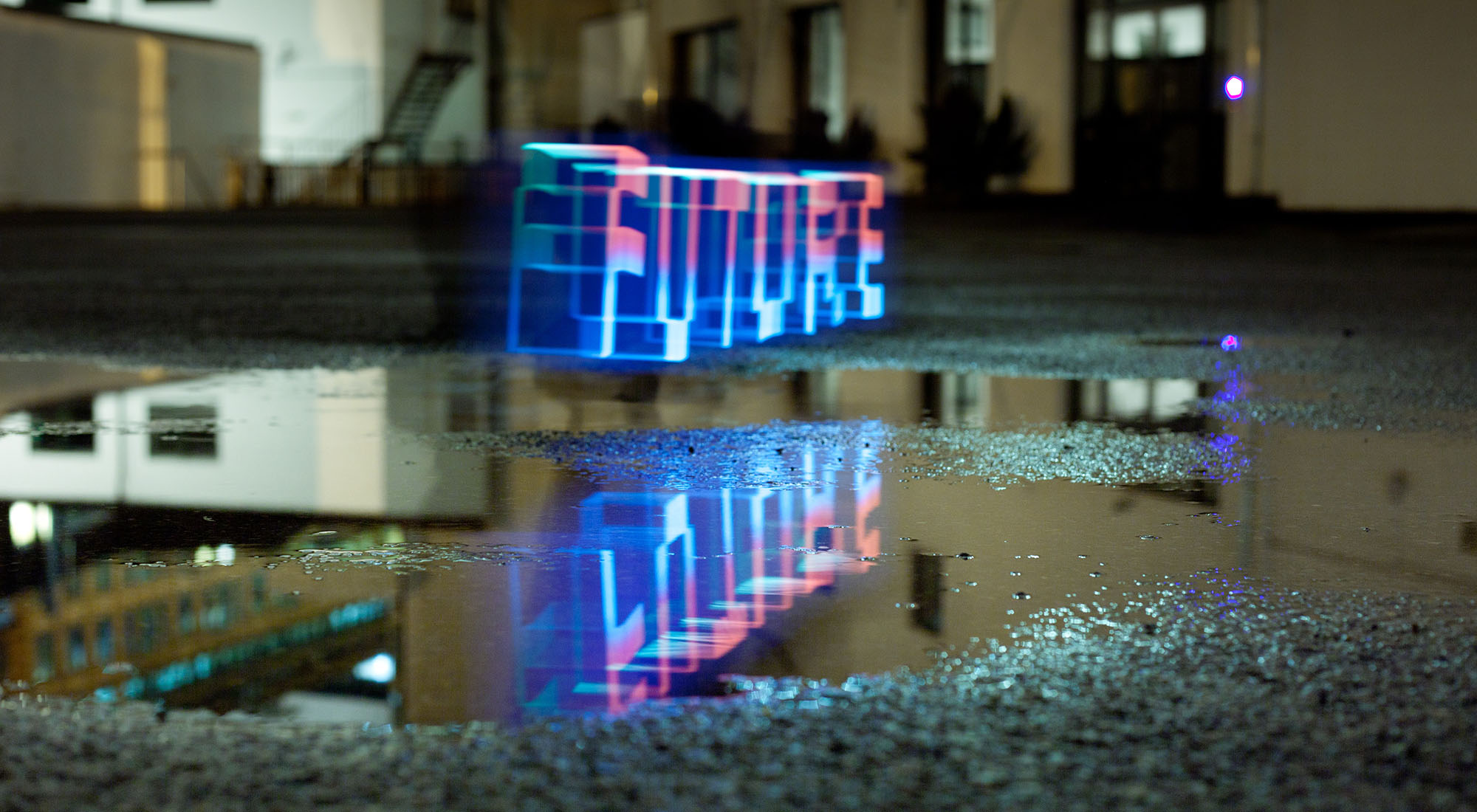
Photography has been a parallel practice for almost as long as I can remember. Some of it is project work, like the long-exposure rigs to make wireless networks visible. Most of it is the ongoing record of what I notice: people using phones, signs and screens in public space, cities and architecture, everyday life in the places I travel to.
The working method has been settled since around 2002, when I wrote a short artist’s statement for an exhibition: “As a filmmaker, used to working with images changing 25 frames every second, I have been using digital photography as a narrative medium, taking sequences of photographs to suggest movement, place, stories, journeys and discovery. I never use the viewfinder. The screen allows for photographic framing and composition so that the camera rarely gets in the way of the experience.” What’s accumulated since is a long daily diary, mostly unannotated. The photographs are nearly all titled with nothing but the timestamp they were taken at.
Photographs as a way of seeing technology
Several of the projects below are photographic in their method, not just in their documentation. The camera is used to render something that would otherwise be invisible: a radio field, a satellite signal, the spatial volume of a room reconstructed from stills.
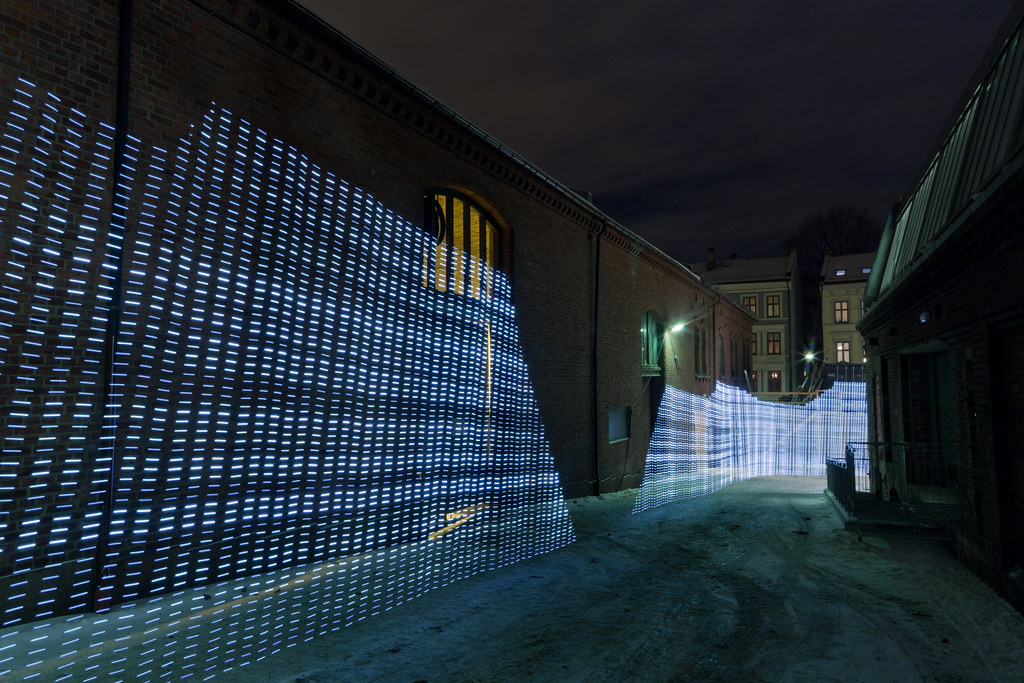
Light Painting WiFi and Ghost in the Field are long-exposure photographs of an instrumented probe walked through a wireless field.
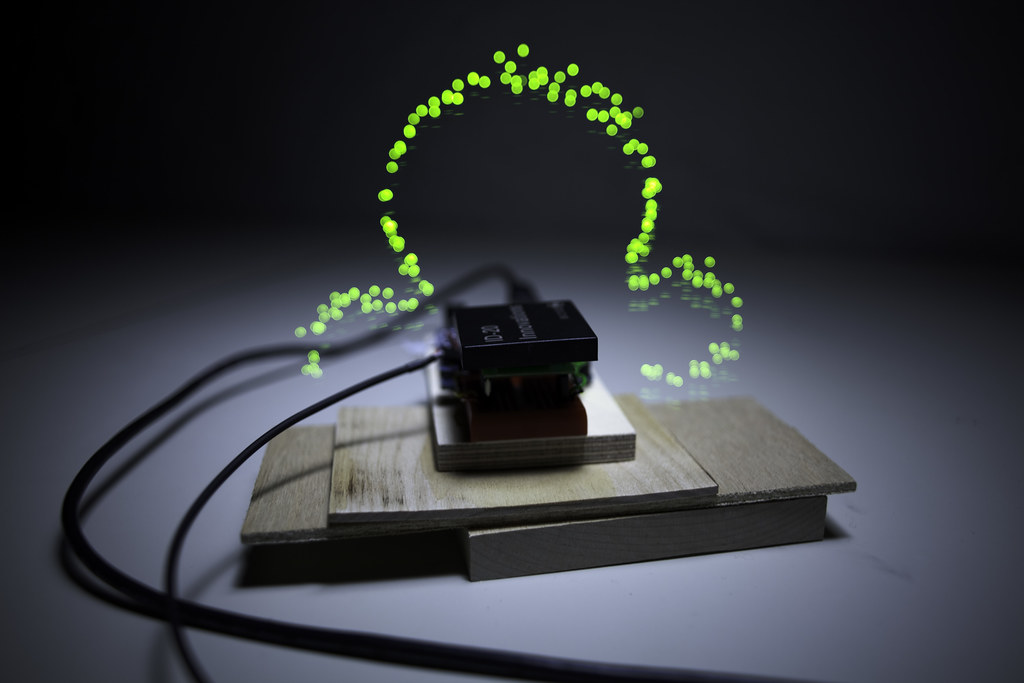
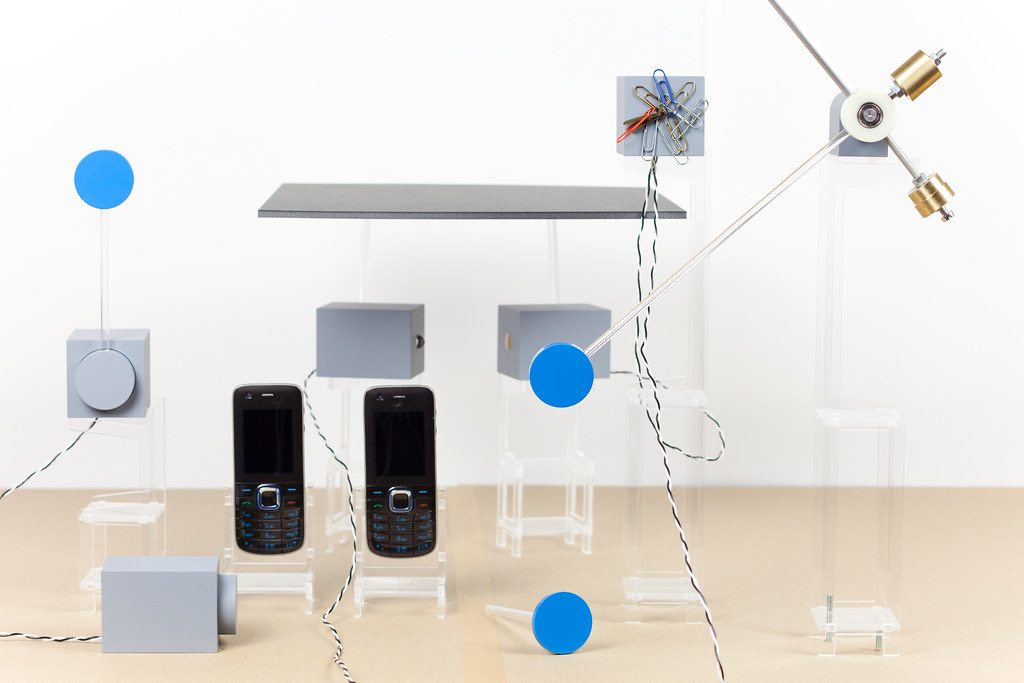
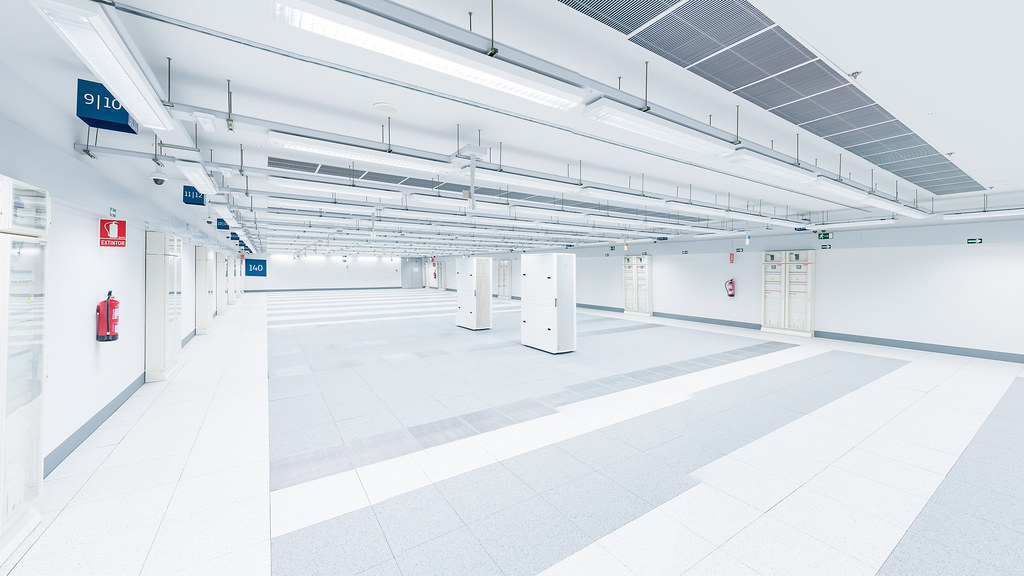
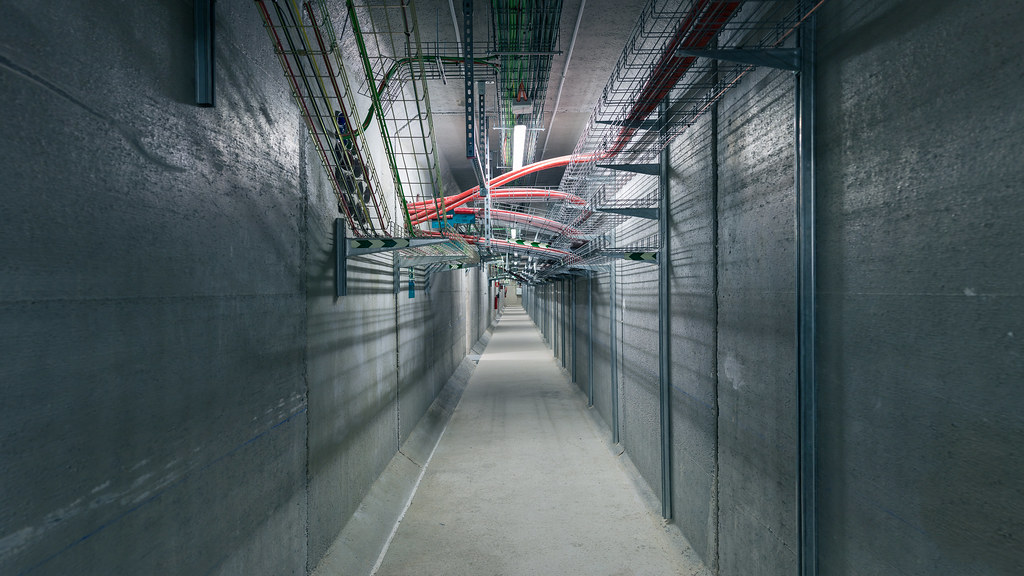
Internet Machine uses photogrammetry, three-hundred and ninety-five high-resolution stills turned into navigable 3D scenes, to make a film inside one of the world’s largest data centres.
People using phones
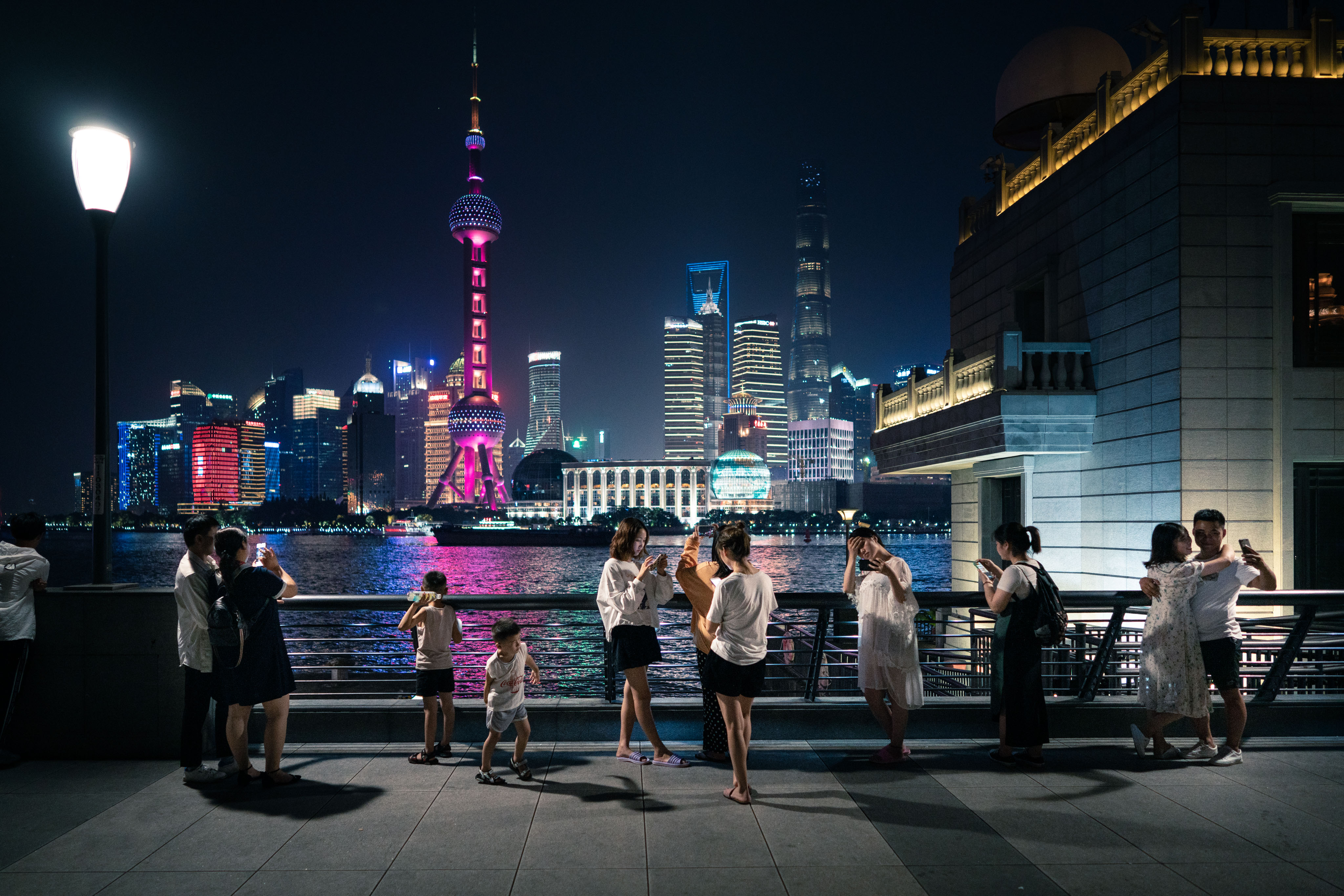
A documentary set started in 2008. Almost two thousand photographs on Flickr at People using phones. The interest is partly anthropological: what people actually do with phones in public, hands and posture and where the device sits in the body’s attention. And partly about the changing visual environment of streets, cafés, transit.
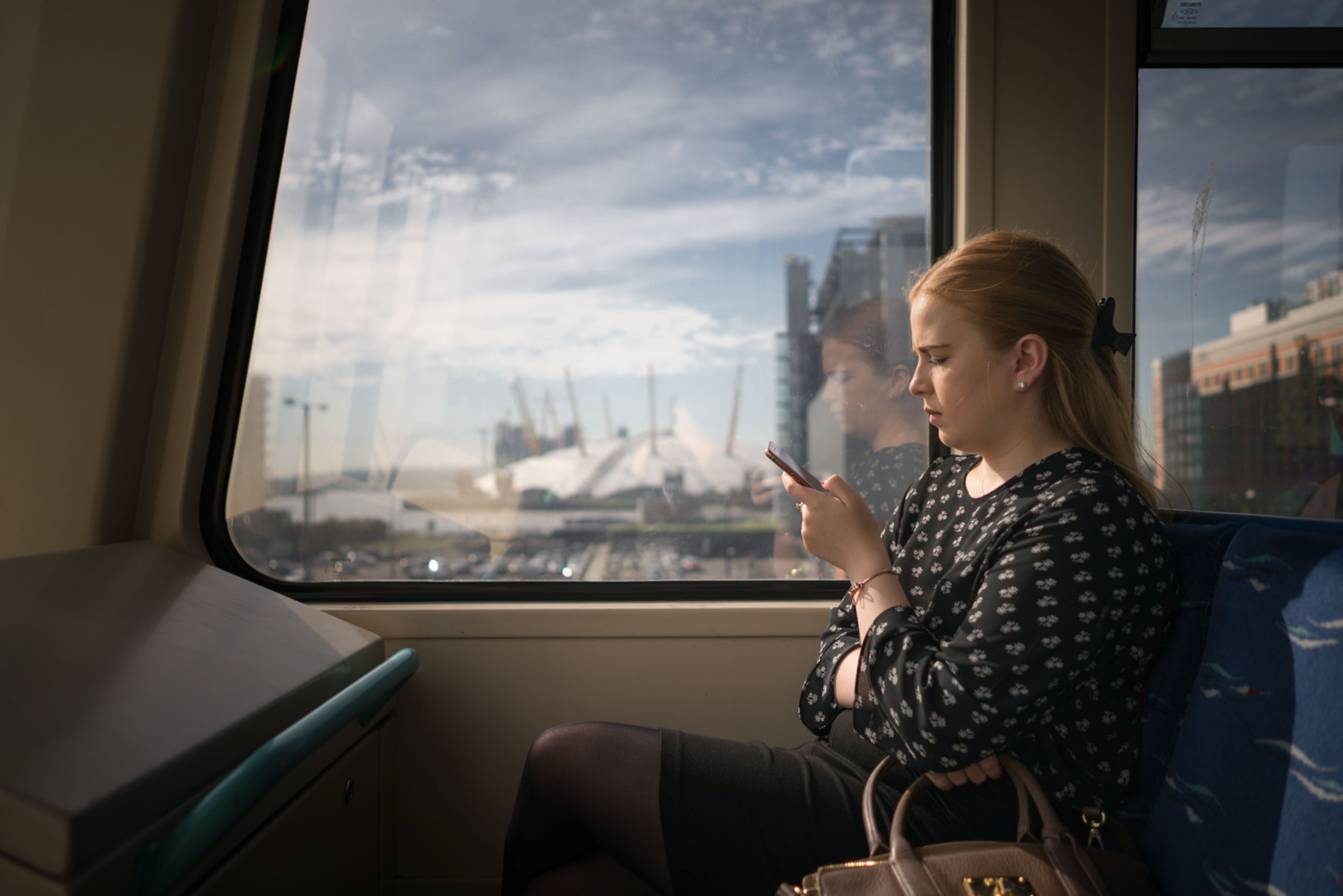
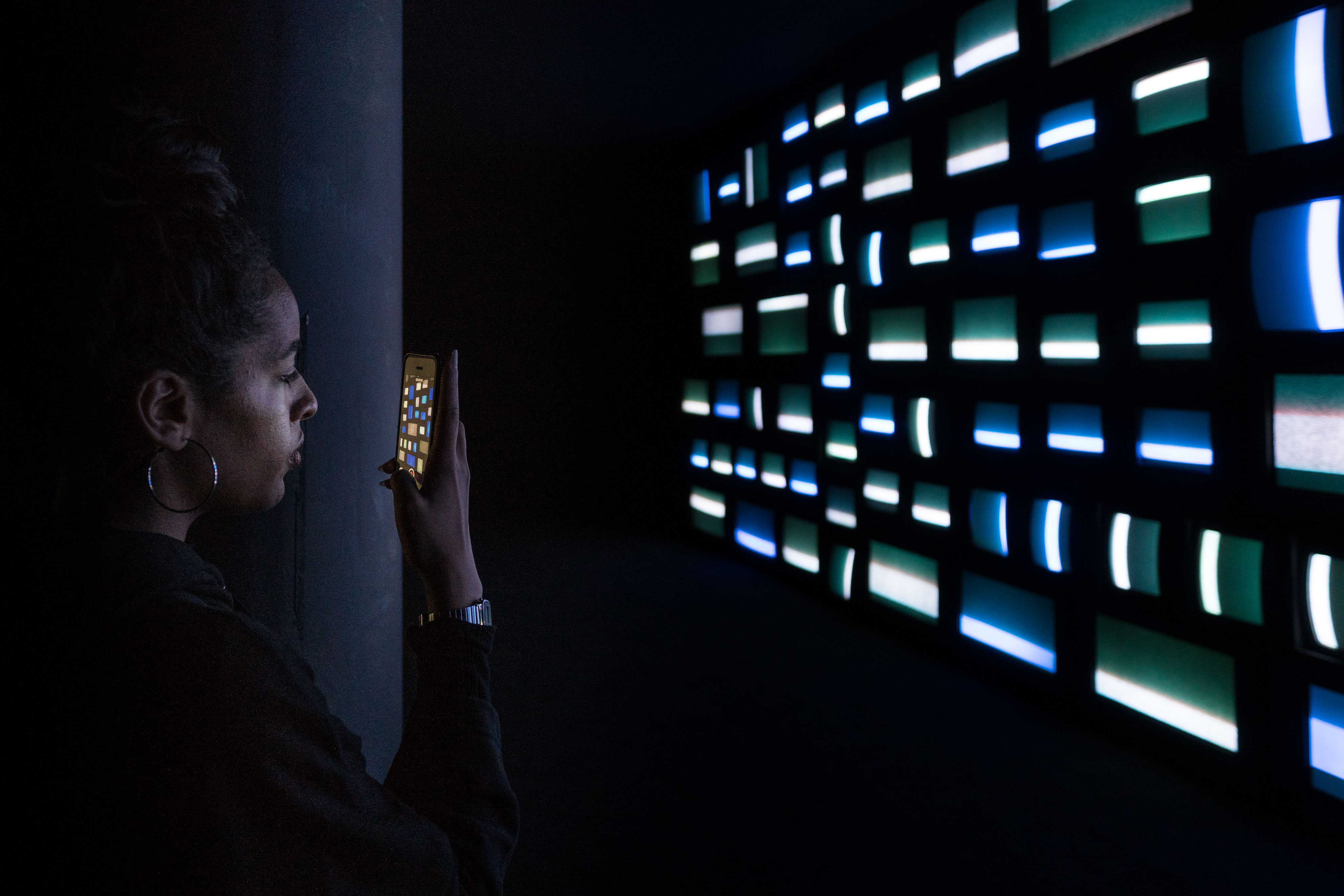

The set continues in a 2024 video work titled Blueface on the same subject. The early phone-as-thing photographs in Touch and Photos of touch-based interfaces are this set’s research-context cousins. The longer essay People using phones reads the project across the eighteen years of work.
Effects of the network
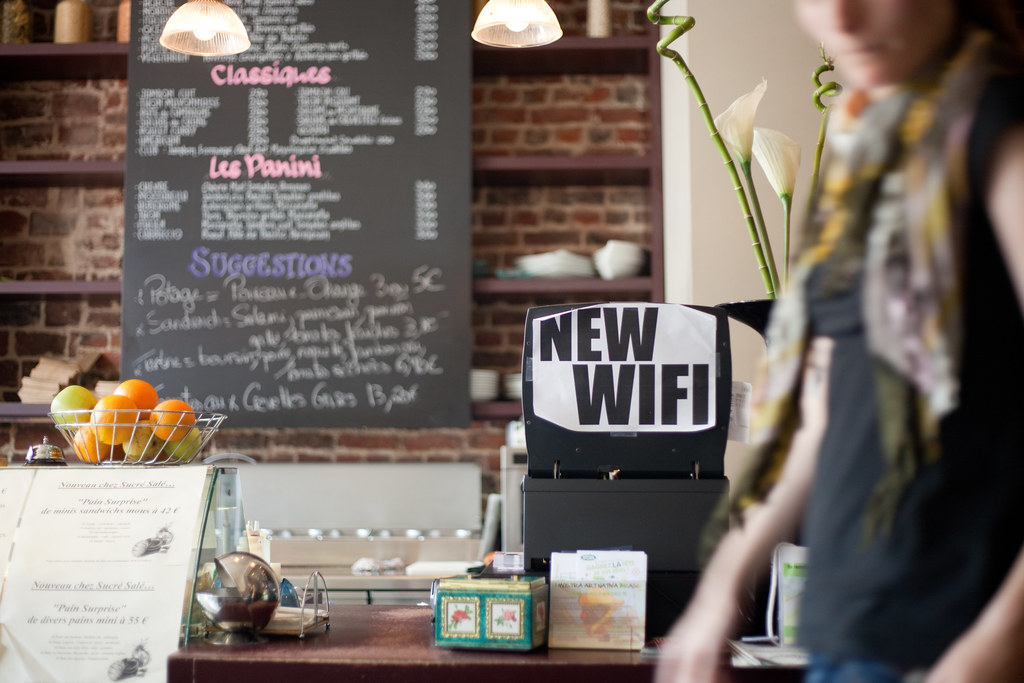
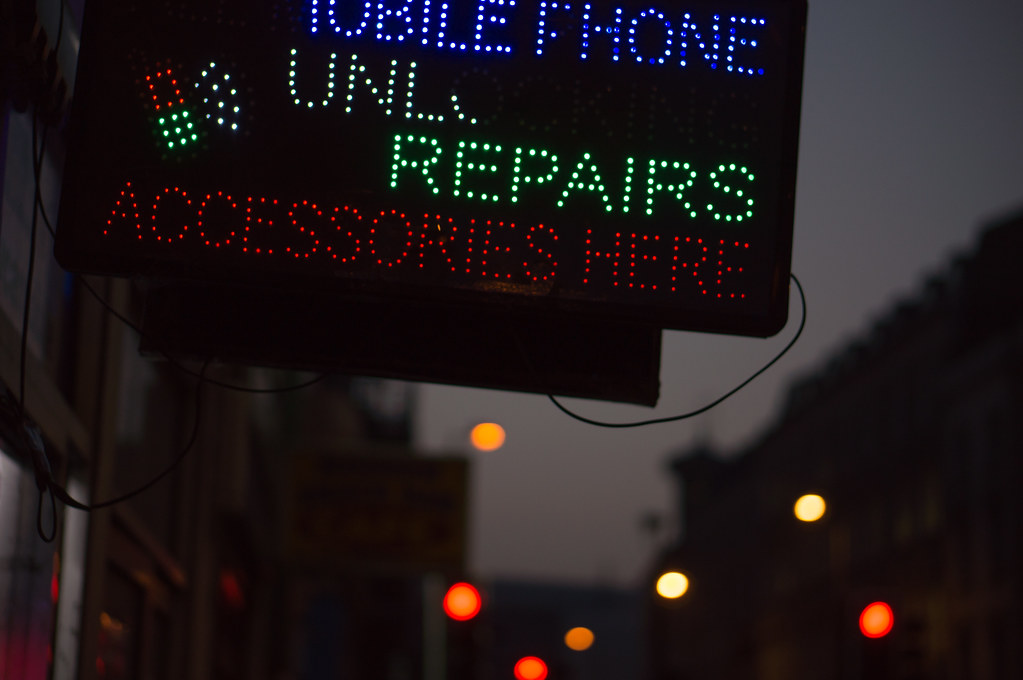
Digital signage, infrastructure markings, cable-runs, hand-drawn QR codes, antennas grafted onto buildings, payment-terminal hardware, RFID stickers, WiFi here printouts, screens in shop windows, machine-readable surfaces. 206 photographs in the Effects of the network set on Flickr, made between 2006 and 2015 across London, Brussels, Oslo, Italy, Manila, with one-offs from Aleppo, Doha, Yangon, Bagan, Bangkok, Hong Kong and Zambia. About half of the set is WiFi signage. The earlier Public markup piece is the conceptual root of all this; Inhabiting Advertising below is the analogue sibling.
Inhabiting Advertising
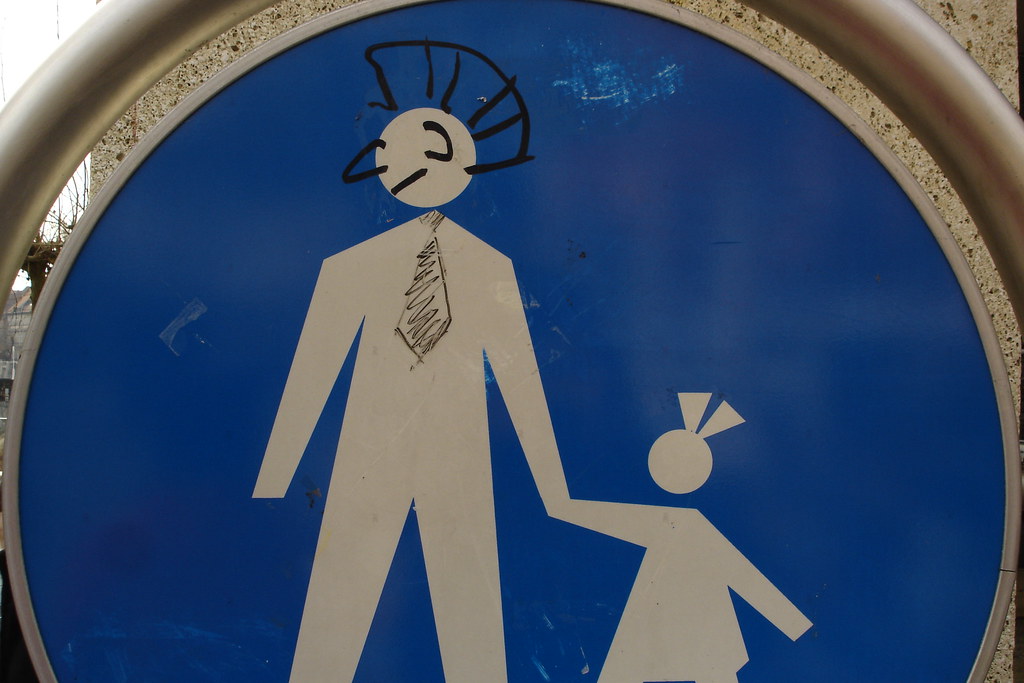
For about ten years, between 2004 and 2015, I kept photographing what people do to advertising and signage in public space. The pedestrian-crossing figure with a mohawk drawn on him in Ljubljana. The Stick no bills sign in Dubai covered in bills. A torn poster in London revealing three older posters underneath. The painted facades in Tirana where a mayor decided to override commercial dereliction with civic colour. A mattress wired into a fence in rural Italy, doing the work that a sign would have done. I called it, in my head at least, Inhabiting Advertising.
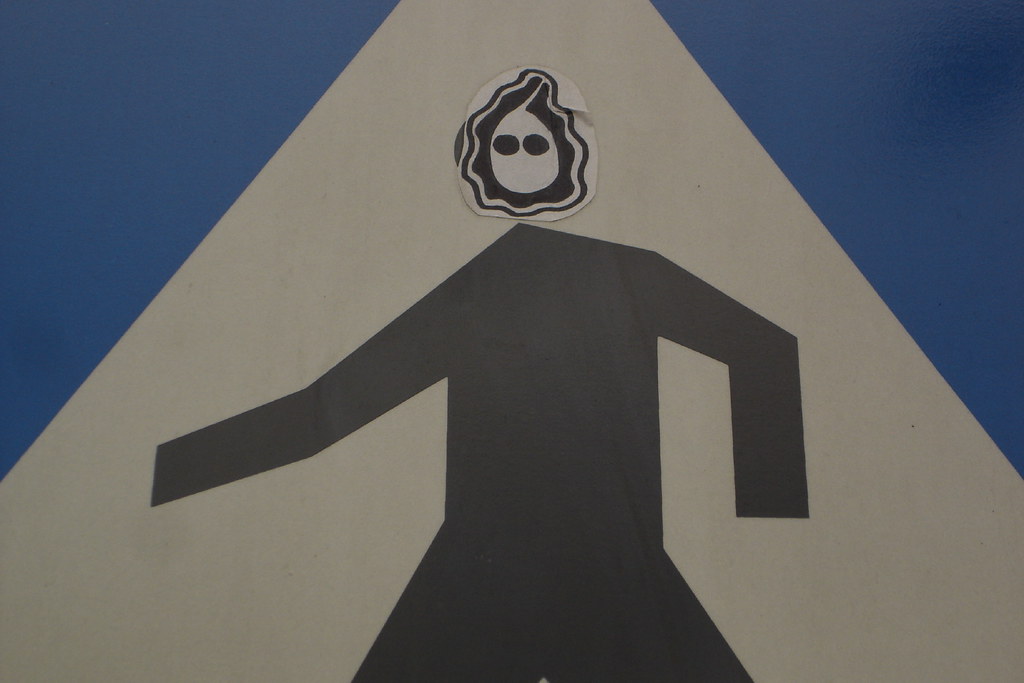
It started in Ljubljana, in February 2005. Eleven photographs over four days of pedestrian-crossing pictograms that someone had been adding to with a marker pen. A mohawk. A baby with horns. Slovenian words written backwards on a signpost. Once you see this, you cannot stop seeing it: the standard international pictogram, supposed to be neutral and unauthored, is everywhere quietly being completed by hand.
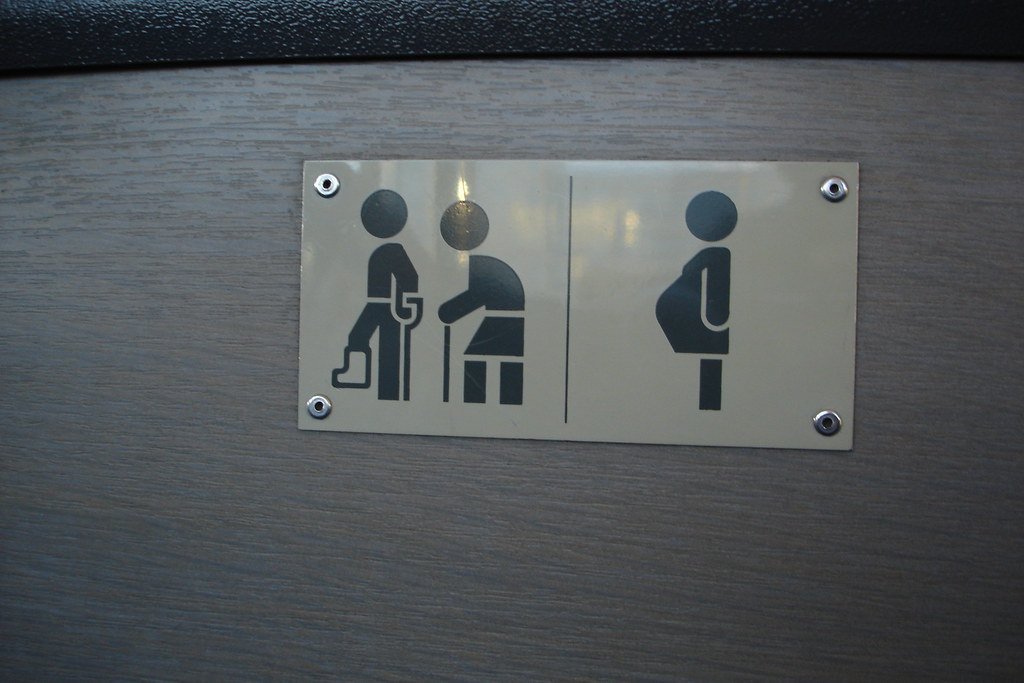
Two albums catch the typological side of the project. The Adventures of Helvetica Man is a hundred-photograph collection of the AIGA pedestrian pictogram in its many roles. Helvetica Hand applies the same approach to the press here / push / pull / do not touch hand pictogram. They were field notebooks for someone trying to extend the same visual language into the new digital surfaces of RFID and touch. The 2005 essay Graphic language for touch is part of the same project.
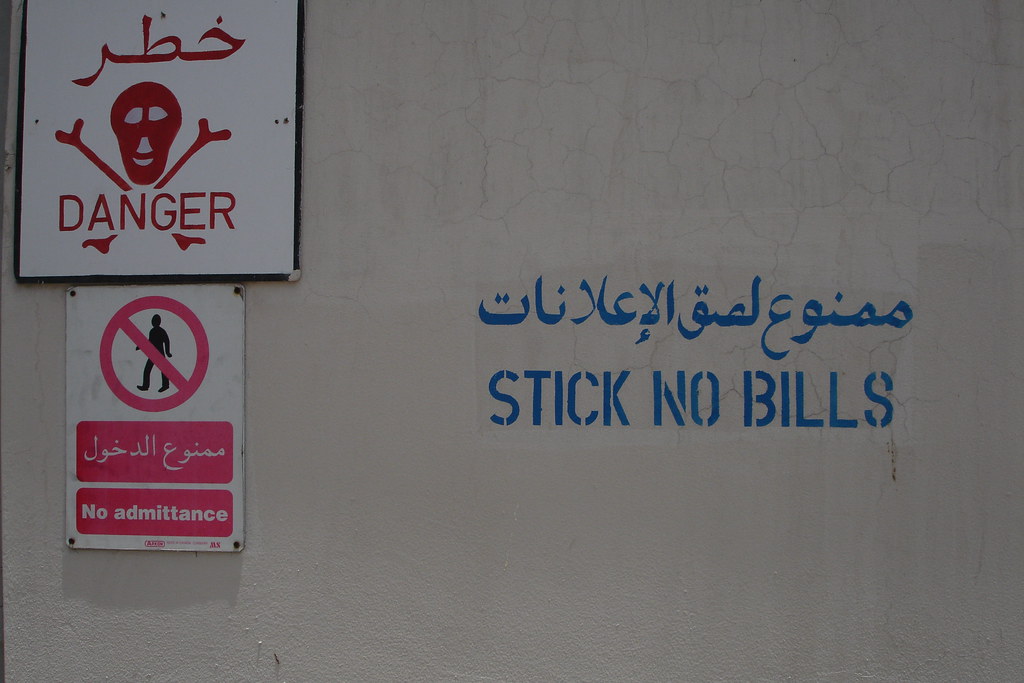
This was a body of work that travelled. Ljubljana 2005, where it started. Dubai 2005, where I made 137 photographs of the visual contradictions of a newly-rich Gulf city. Tirana 2009, two days walking block by block recording the painted-facade programme that mayor Edi Rama had begun to override communist-era dereliction with civic colour. Rural Italy across three years, where farmers fence their fields with mattresses, doors, and rebar. And throughout, Oslo and London. Stygge Oslo (“ugly Oslo”) is a long visual complaint about my home city’s public realm. The Flickr advertising tag has 658 photographs and is the wider reservoir.
The visual environment of the city is not finished when the designer signs off. It is finished, and constantly re-finished, by the people who use it, by the weather, by time. A pedestrian-crossing sign that has been mohawked by a teenager is not the AIGA’s sign anymore. It is a collaboration. As a designer of icons and interfaces, this is the photographic record I keep going back to. Inhabiting Advertising is the longer piece.
Cities, architecture, everyday life
The continuous body of travel and place photography that runs underneath the project work.
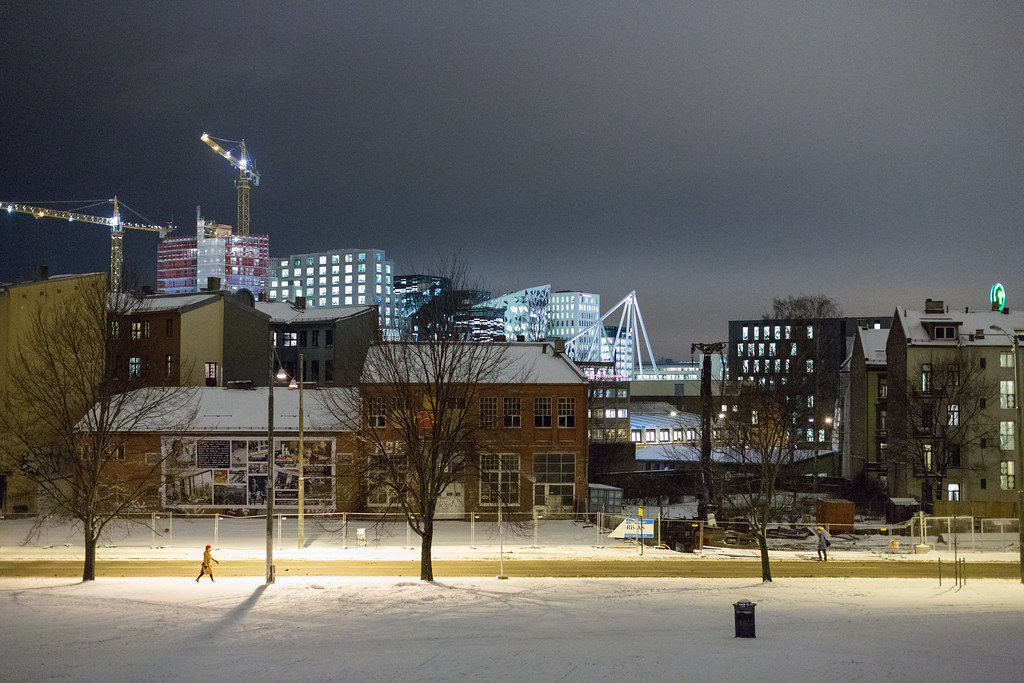
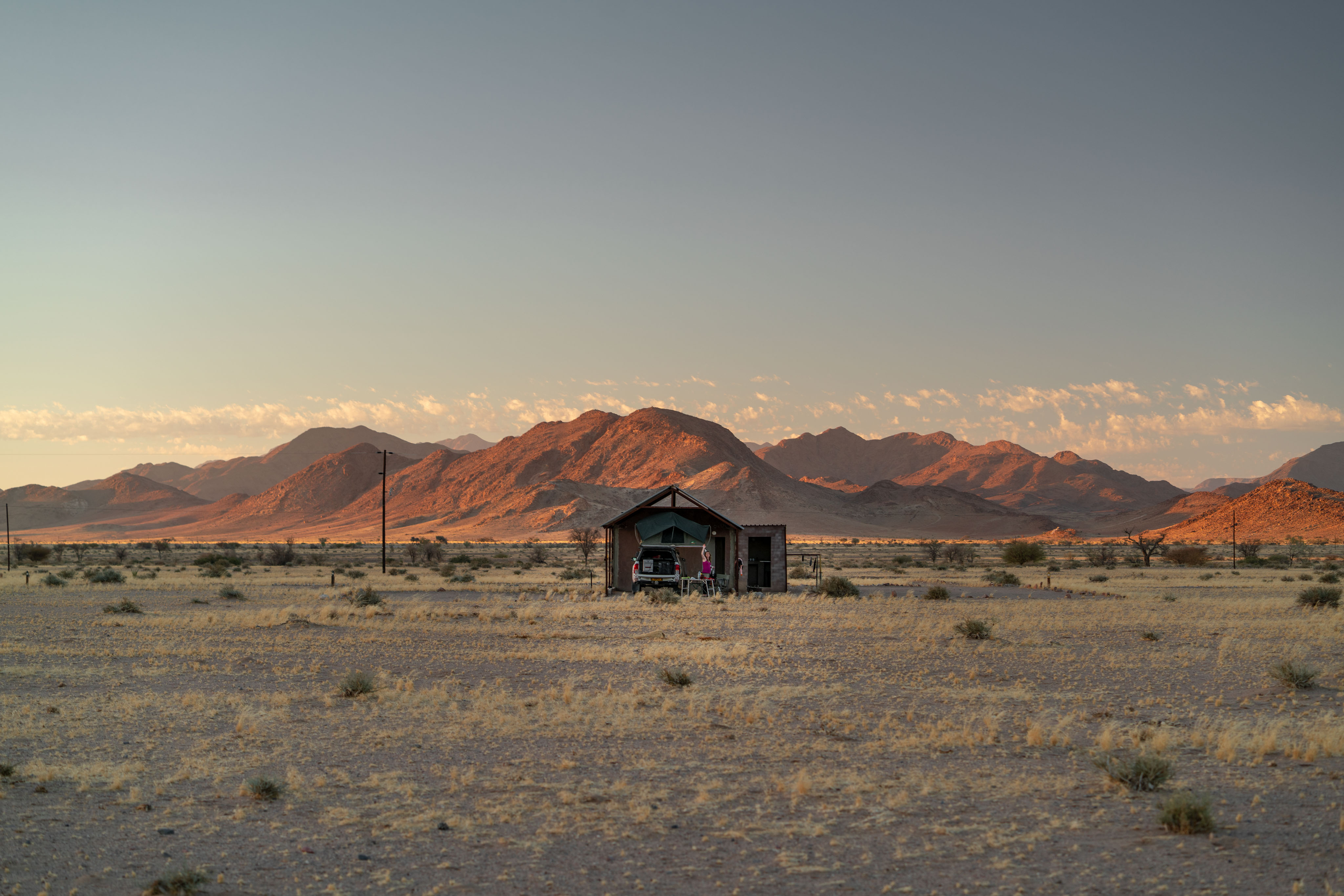
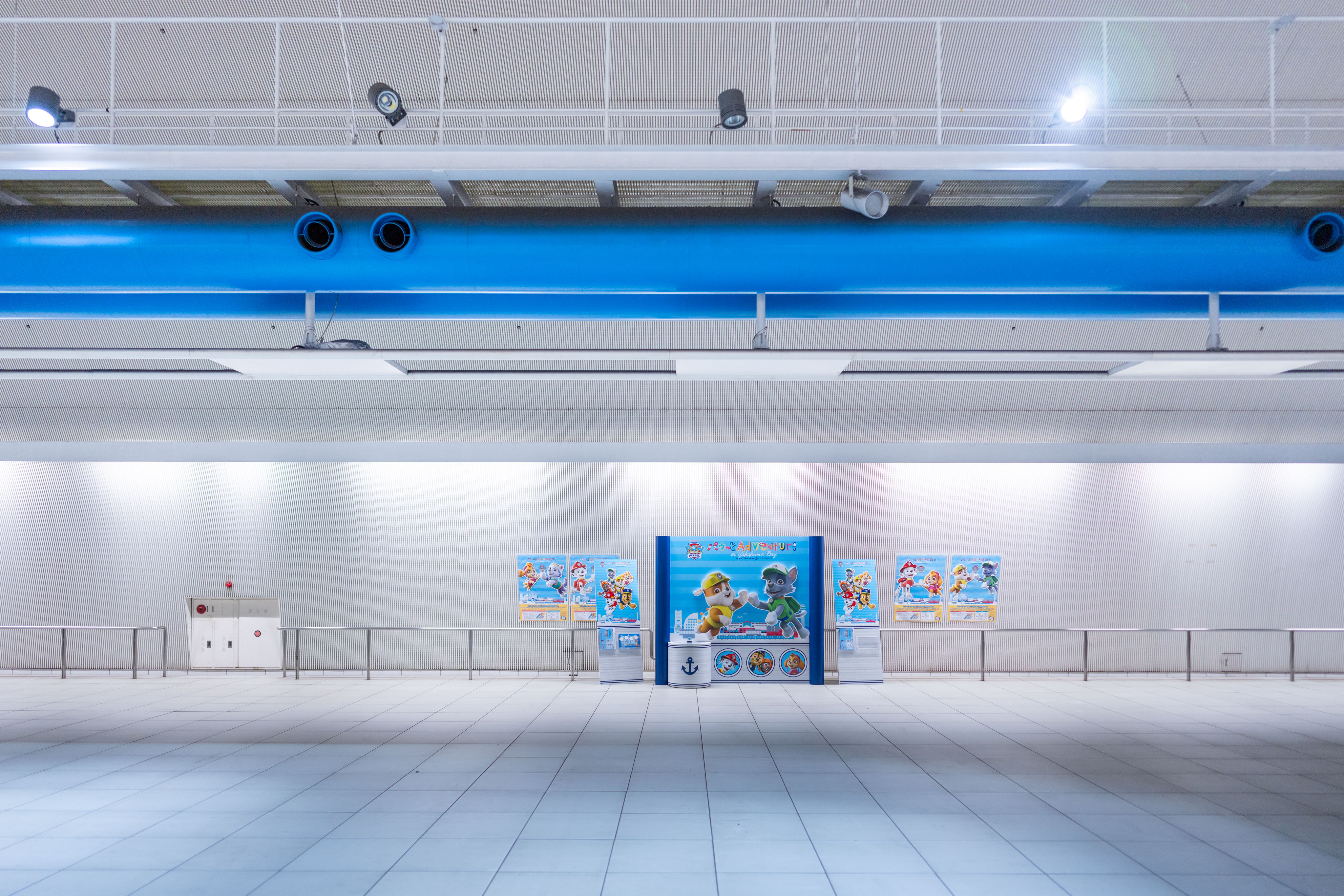
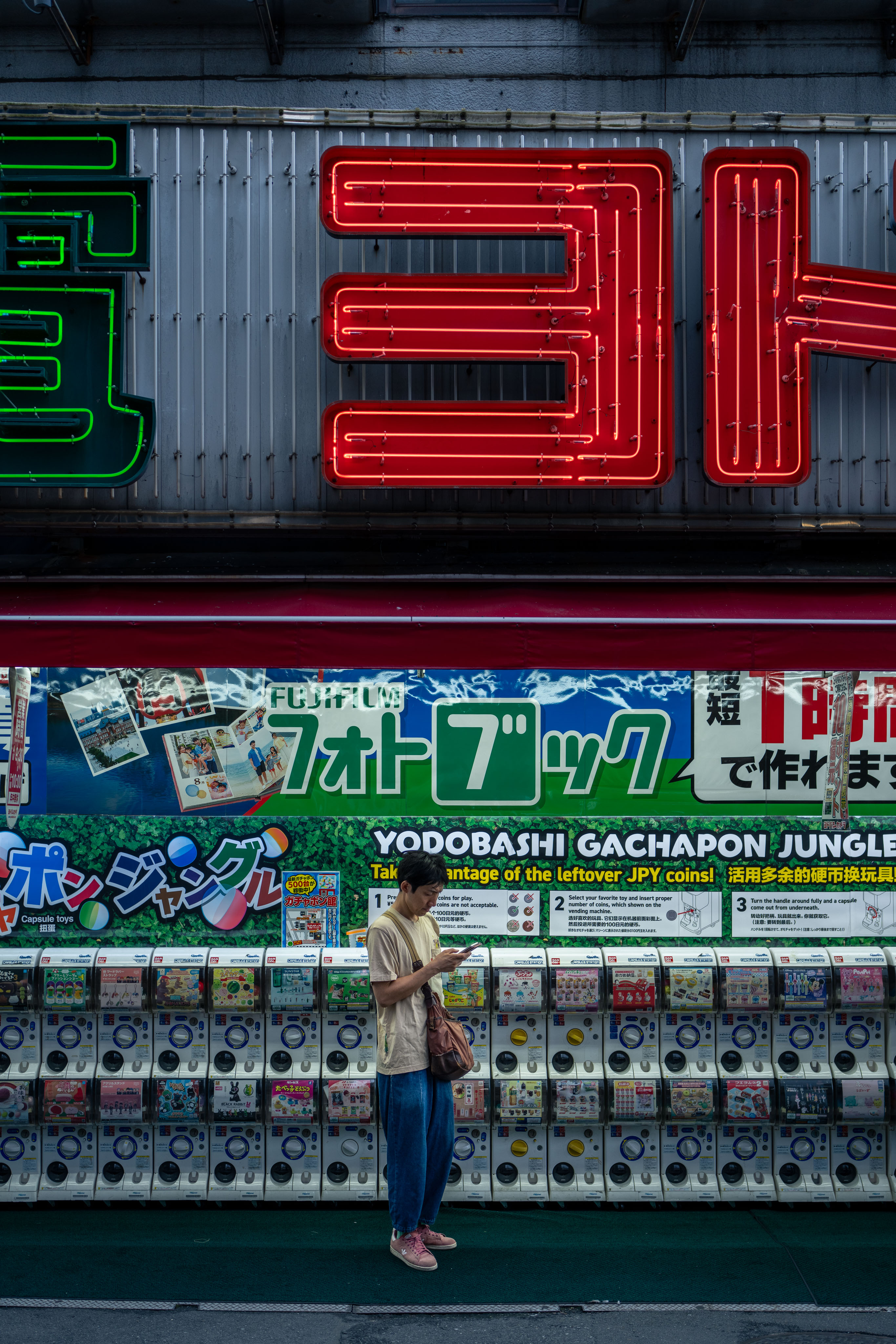
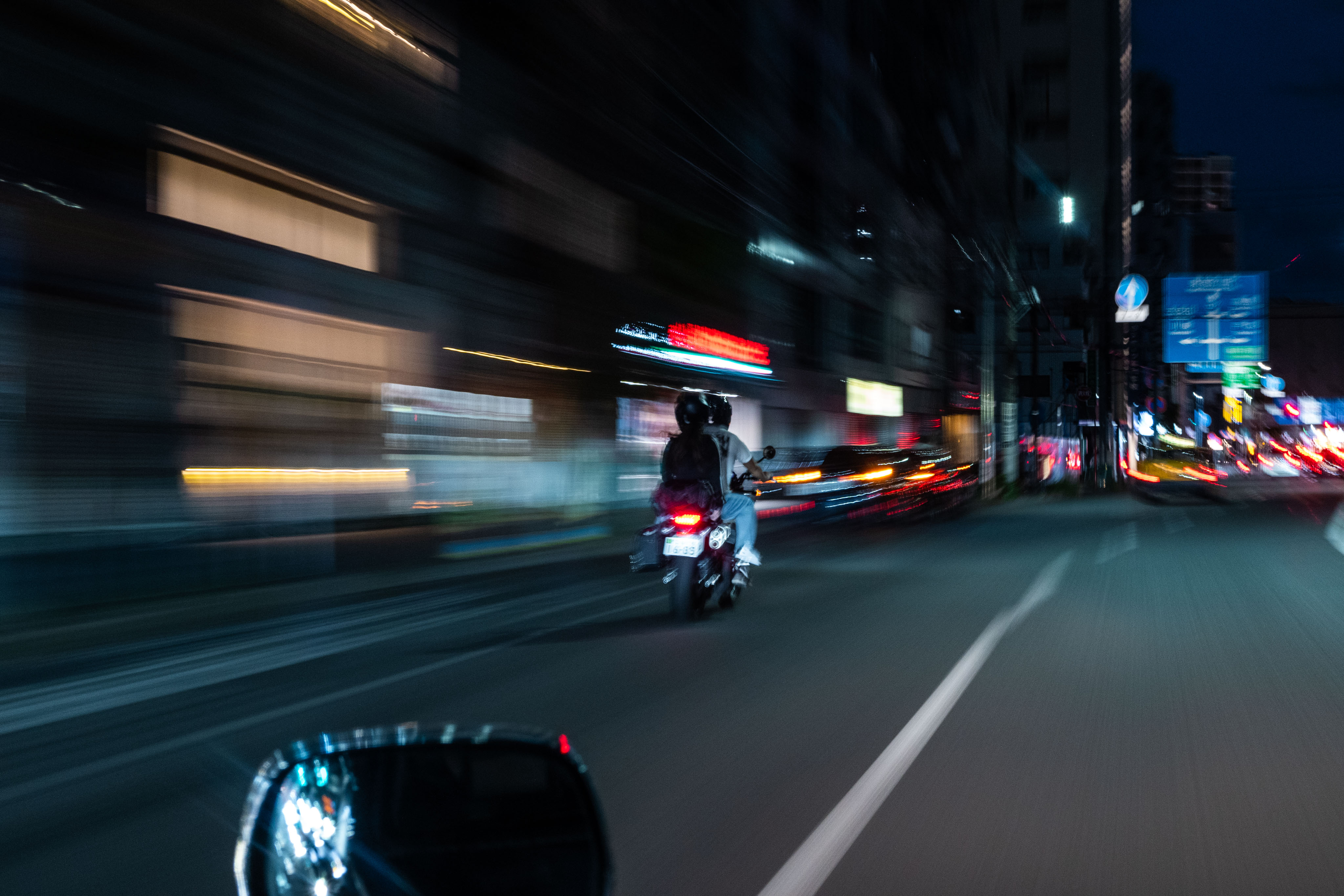
A partial atlas of the Flickr sets, mostly from the BERG and post-BERG decade:
- Norway and the long Oslo years. 10 years in Oslo (608 photos), House in Oslo.
- Italy and the Bugnara house. A house in the Apennines near Sulmona, photographed across thirteen-plus years. House in Italy (67 photos), Italy December 2015.
- 2015, a year of moving around. Beijing (113), Seoul (138), LA & SF (43), Berlin, Gotland (34), Corsica, Uruguay, California March 2015.
- The on-disk archive. Aerial (London from a small plane), Canary Wharf, Hedmarksmuseet (Sverre Fehn), Kiasma (Helsinki), Finnish midsummer 2001, London / Norway, panoramas, mapping and cartography fieldwork across thirteen years.
Project and studio documentation
A working part of the practice has always been documenting the work itself, the studio, the people. A visual history of BERG is the largest of these, 2,204 photos covering Schulze & Webb, BERG, and BERG Cloud across the studio’s life. The dedicated project sets (Internet Machine, Ghost in the Field, Light Painting WiFi, Light Painting WiFi WIP, Nearness, Robot Readable World, Satellite Lamps, Talk to Me at MoMA) sit alongside the films and articles, and often contain the working photographs that didn’t make the final cut.
On this site
- 2014 Internet Machine. Three-hundred-and-ninety-five high-resolution stills shot inside a Telefónica data centre in Alcalá, Spain, then turned into 3D scenes through camera-mapping photogrammetry over five weeks of post-production. The film was screened in Big Bang Data at CCCB, Fundación Telefónica, Somerset House and Transmediale.
- 2014 Satellite Lamps. GPS lamps photographed in long exposure in Oslo, the lamps’ flicker drawing the variance of the GPS signal as light. Documented in the Kairos webtext (Martinussen, Knutsen, Arnall).
- 2011 Light Painting WiFi. A four-metre rod with eighty individually-addressable LEDs walked through Grünerløkka, Oslo, in the winter of 2010–2011. Long-exposure photography rendered the WiFi field as standing walls of light. Vimeo Awards 2012 finalist; Royal Statistical Society Significance journal article; technique adopted by the BBC and Discovery Channel.
- 2010 Making Future Magic. Long-exposure light painting on iPad screens, generating stop-motion 3D forms. With BERG and Dentsu London. BBC Newsnight feature.
- 2009 Immaterials: Ghost in the Field. RFID fields rendered as 3D forms through long-exposure photography of an instrumented probe. The original of the Immaterials method.
- 2010 CCD and computational photography. A short piece on the materiality of digital sensors.
- 2005 Photos of touch-based interfaces. A documentary set of contactless cards, payment terminals, NFC stickers, research material for the Touch project that turned out to be photographically interesting in its own right.
- 2004 Time that land forgot. Three months of photographs taken in Oslo and London, each one geolocated to a GPS track. The first project in which I treated photography as a way of registering place over time, rather than capturing single moments.
- 2004 Photography and mapping from Afar. The exhibition write-up of the same body of work.
- 2004 Geo-referenced photography. Field notes on the technical pipeline for combining GPS tracks with EXIF.
- 2004 Public markup. Photographs of stickers, hand-drawn signs and physical annotations in public space.
- 2004 Travelogue. Travel photography, mostly Norway and Iceland.
In books and on disk
- Inkblots (2002). The 26-image series, with an artist’s statement, that first articulated the working method: photography as a narrative medium, sequences over single frames, the camera held away from the eye, the timestamp-and-place caption (“5.19pm Travelling from Mutare to Harare, Zimbabwe”). Photographs from London, Stansted, Tottenham, Helsinki, Espoo, Wexford, Wicklow, Buenos Aires, Mendoza, San Pedro de Atacama, Bahía Inglesa, Calama, Mutare, Oslo. The earliest body of work I’d still stand behind.
- Experimental and digital darkroom (1997–2004). Inkblots, Inks (57 abstract works), Digital Darkroom composites, Papers (53 photographs of physical documents). Foundations of the practice, tied to the BA dissertation Narrative and Digital Media (London College of Printing, 1999).
- Places and architecture (2001–2015). Hedmarksmuseet (228 originals plus composites), Kiasma in Helsinki, Canary Wharf, the Aerial set (75 photographs from a small plane), Finnish Midsummer 2001, Norwegian and London panoramas.
- Mapping and cartography (2003–2016). Hand-drawn maps, photomapping experiments, GPS field notes, Grünerløkka imageability research, ACE Arts Council research. A thirteen-year sustained interest in cartographic practice.
- Mori Medialab photogrammetry (2010–2015). 3D capture of architectural and product subjects, feeding into the camera-mapping pipeline used in Internet Machine.
- London from the air (2015). 52 photographs over four-and-a-half minutes of a Heathrow approach on 6 July 2015: the Thames meandering, Olympic Park, the City of London and the Shard, Canary Wharf top-down with the engine in frame, Greenwich and the O2. A small single-flight cluster from the larger Aerial set.
- Photoviz (Gestalten, 2016). Work featured in the photography-as-visualisation survey volume.
- Procreate drawings (2020–2025). Forty-plus iPad pieces in dialogue with the photographic and generative work. Catalogued at Generative drawing.
The full archive runs to about 450,000 unique photographs across thirty years, sitting on disk in catalogued form. The complete public set is at flickr.com/photos/timo. The Selected images set is the curated cut (2,514 favourites, almost all titled only with the timestamp they were taken at), and the longer essay Selected Images reads that cut as a coherent body of work. For a specific image, set, or print enquiry, drop me a line.