Selected Images
I keep an album on Flickr called Selected images. It has, at last count, 2,514 photographs in it. Roughly 250 a year for a decade, drawn from a much larger photostream. I started it as “some selected images from my stream, my particular favourites” and it stayed that, more or less. The cut runs from about 2005 to about 2015, with the bulk concentrated between 2008 and 2014.
It’s the most diagnostic photographic thing I’ve ever made, because what someone selects as their best work tells you more than what they shoot generally. And it’s also the easiest to misread. The first time someone goes through a folder of “selected favourites” they expect a portfolio. They expect the named project work, the WiFi visualisations, the data-centre film, the Touch RFID stills. Almost none of that is in here.
The 93 per cent
The most concrete fact about the album is the titles. Of a sample of 381 photographs, ninety-three per cent had no title beyond a date and a clock-time. 17 February, 17.13. 07 October, 07.34. 22 May, 07.33. The other seven per cent are mostly small numeric project codes (“London 68”, “Foo 2”, “Palmyra 6”) or one-word place names (Tate Modern, Storgata, Snøhull). There’s almost nothing in this album that’s been captioned, narrated, hashtagged, or set up to mean a particular thing.
It’s a position. I’ve spent twenty years making things that try to make the invisible visible: radio waves, RFID, internet infrastructure, signage, pictograms. I designed a parody Oyster card called Voyeur that read “Tracking you in London” as a critique of surveillance. I’ve written that interfaces have to be visible to be ethical. The professional work is all about captions, in a strict sense.
And then, in private, I title 2,500 of my favourite photographs with nothing but a clock.
The 5 per cent
The other surprise is what’s missing. Of the 381-photo sample, only about five per cent are clearly project work, and even those are tagged with numeric codes rather than the project names. The selected cut is not a portfolio.
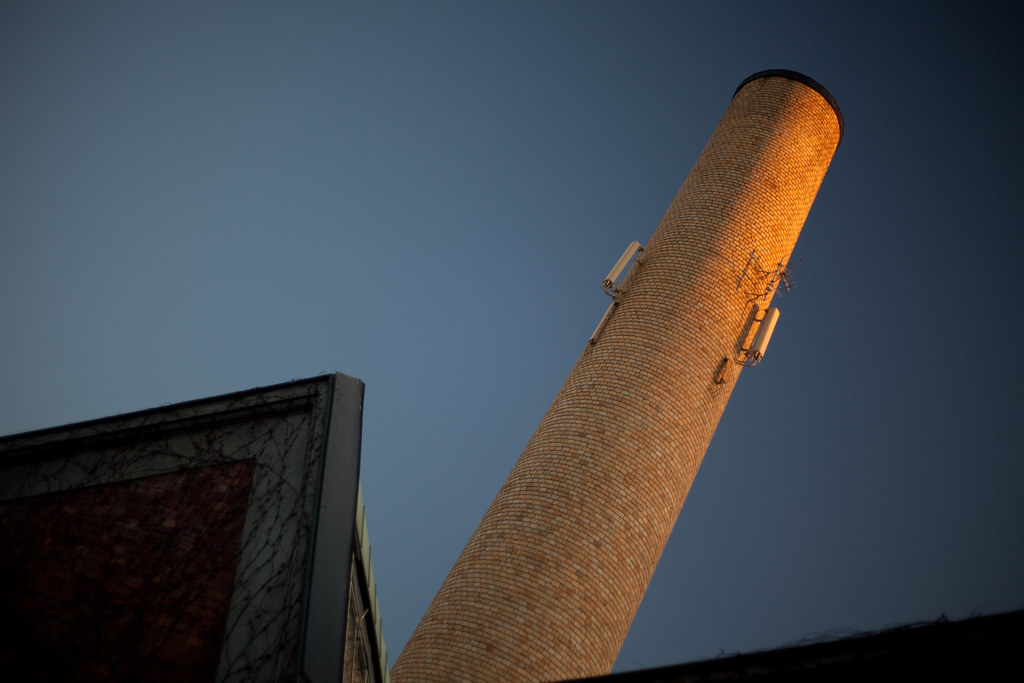
What it is, instead, is the daily off-cut. The photograph I made walking from the studio to the train, or from the airport to the hotel, or from the bus stop to the bedroom. The chimney with the antennas welded onto it, above, photographed because I looked up crossing a courtyard at sunset. The Manila bus shelter at three in the afternoon. The brass tap in stone in an Italian wall. Two cups of tea on a wooden table at home, steam catching the morning light, one minute before the day starts.

The eye that noticed an antenna welded onto a Norwegian brick chimney is the same eye that made a film about the radio shadows of WiFi routers. The off-cut and the project are continuous, one is the field, the other is the cultivated row. The selected images are the slower ground out of which the named work has grown.
What I keep coming back to
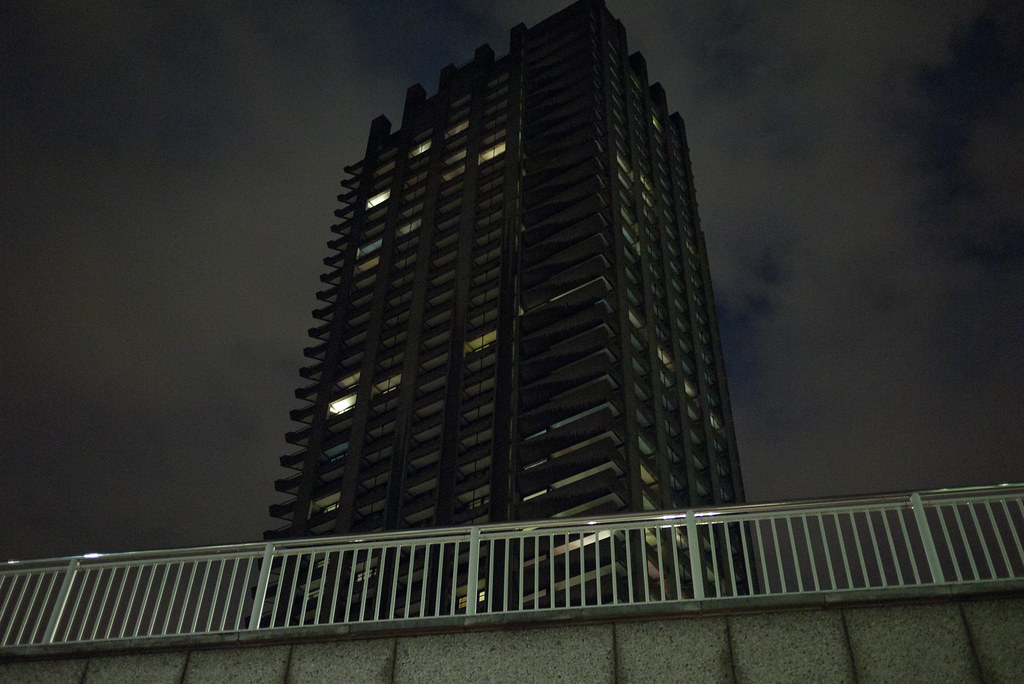
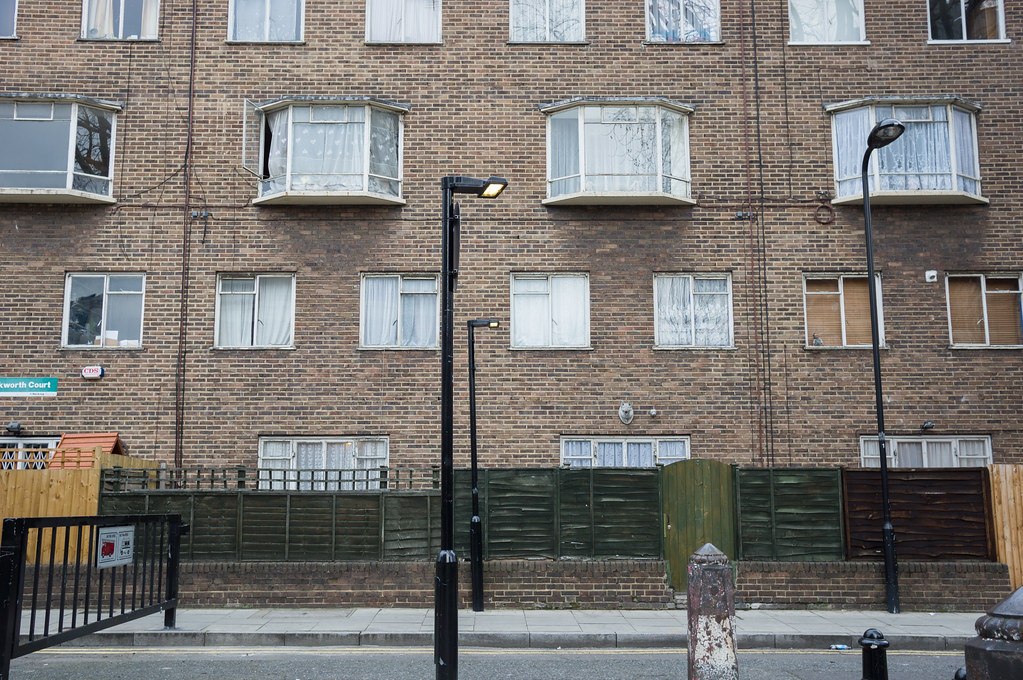
The ordinary stuff that’s performing as architecture. A brass tap photographed with the discipline of a portrait. An airport ticket counter treated as a building facade. A bus shelter at the same care as a chapel. Almost none of these photographs are sunsets.

The encounter between a body-scale figure and a building, or city, or industry-scale object. A lone woman in pink walking past a construction hoarding in Oslo. Two tourists tilting their heads against a Brooklyn brownstone wall. A container-port worker in a red helmet at the bottom of an enormous wall of corrugated steel. A girl with a HALF PRICE sticker on her sleeve through a café window.
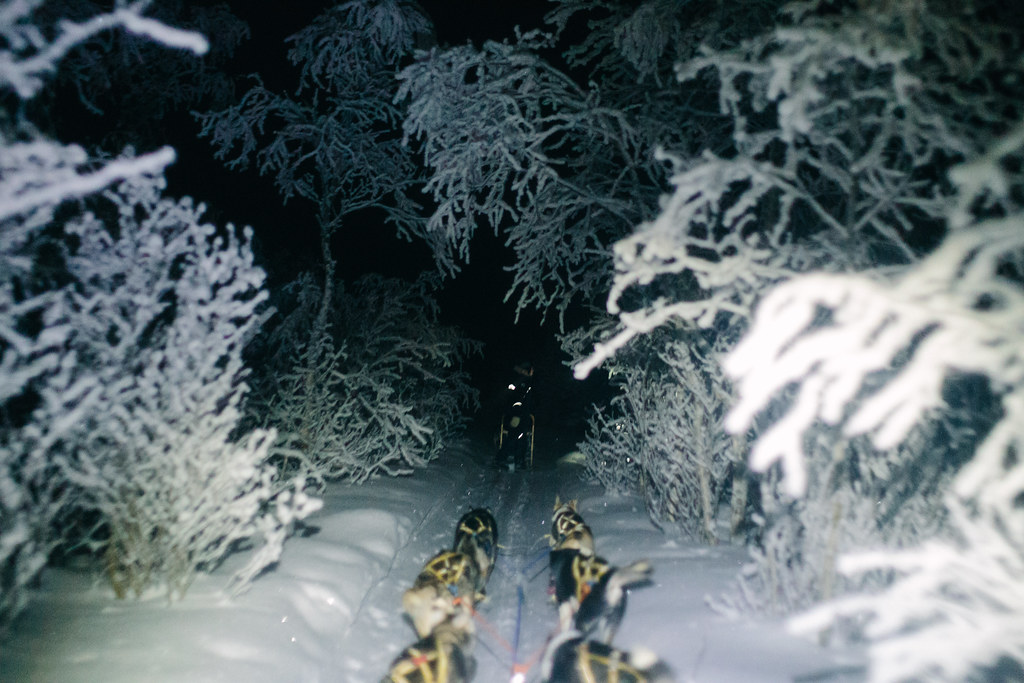
Light that’s doing something quietly informative rather than performing. Almost no sunsets as spectacle, almost no Instagram golden hour. The moment when artificial light starts to appear inside windows before the sky has fully gone blue; when frost glints under a headlamp; when grey-blue dawn takes the colour out of an Italian valley; when fluorescent strip-light catches a piece of pink plastic in an industrial workshop. Internet Machine and Light Painting WiFi both apply this same level, descriptive lighting to subjects (a data centre, a wireless field) that hadn’t been treated descriptively before.
Eight cities
The geography of the album is unsentimental. Eight places dominate: London, Oslo, Italy (the Bugnara house and surrounding villages), Copenhagen, Manila, NYC and Boston, Brussels, Swedish Arvika and Katrineholm. Plus singles from Lapland, Bhutan, Kathmandu, Sri Lanka, Las Vegas, Riga, Incheon, the Mediterranean coast, and a fishing port somewhere on the Arabian Peninsula. Manila is in here for the FREE FACEBOOK billboards rather than the cathedrals. Brussels for the dog-poo-bag dispensers and the airport metro tile rather than the Grand Place. NYC for the brownstone airshafts rather than the skyline.

The eye treats unfamiliar places with the same patience it treats home with, and home with the same curiosity it brings to away. A Bugnara stone wall and a Beijing Shunyi tower-block get the same treatment.
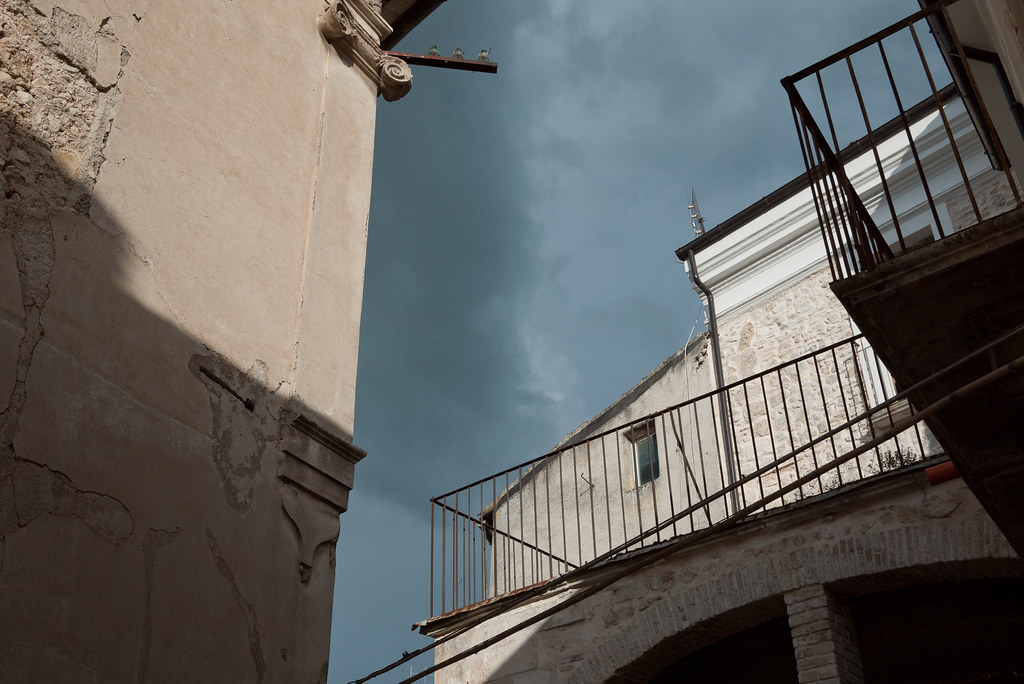
The full set lives at flickr.com/photos/timo/albums/835678. 2,514 photographs, almost all titled with nothing but the timestamp they were taken at.