Generative drawing
A short writeup of three threads of work I’ve been making in parallel since 2024. Plotting, drawings made by an algorithm and committed to paper by a pen plotter. Weaves, animated SVGs of textile-like patterns generated parametrically. Diffusion, AI image-generation in conversation with art history. They sit alongside five years of Procreate drawings and longer roots in earlier work.
Origins
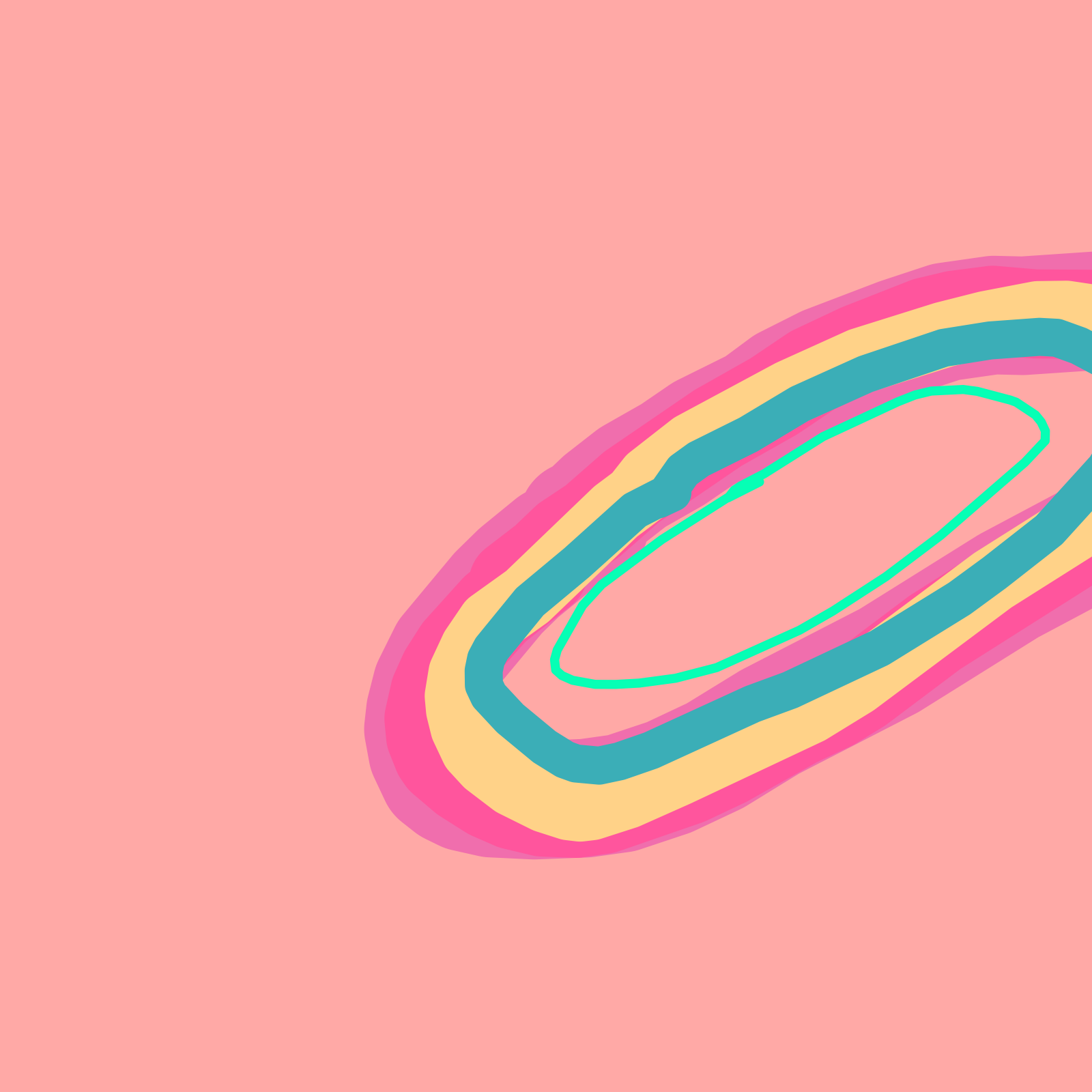
The earliest piece in this lineage is Mousepath Visualisation (2010), a small Java application that captured my mouse cursor’s path during a working day and rendered the result as a flowing organic line. Fifty-nine output files, one per day. It was the first time I’d taken human gesture data and let an algorithm turn it into something with aesthetic life of its own. That move, gesture-data going in, picture coming out, sits underneath everything I’ve made in this register since.
Plotting
Plotting is what I’ve been calling the work I make with a pen plotter. The plotter sits on a desk and holds a real pen; an SVG file goes in; the machine traces the file with the pen across paper at human-drawing speed. The output is physical: a sheet of paper with ink lines on it.
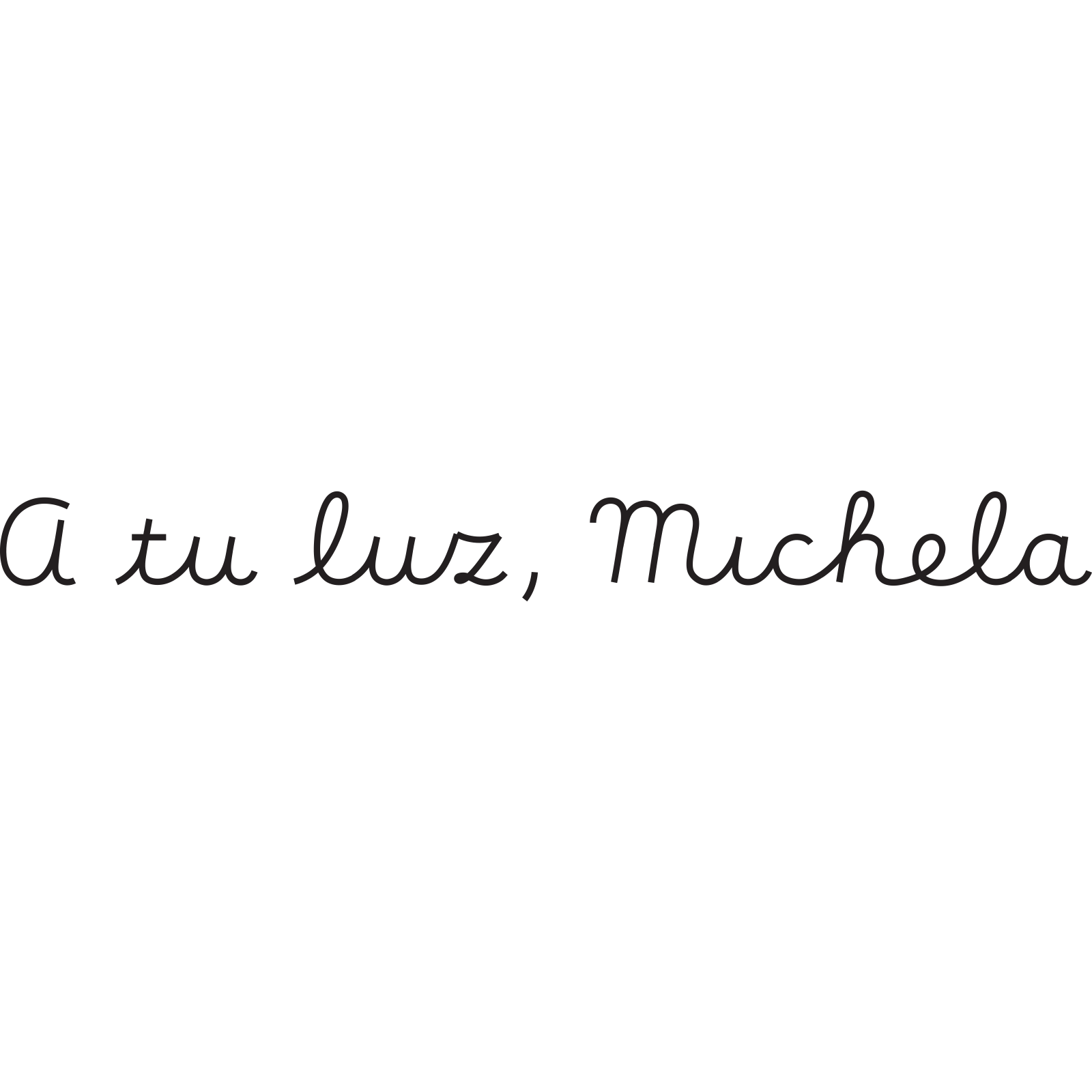
The named series so far are Linda, Macie, Rita, and Timo. Each is a set of pieces grouped around a person or a place. Some are cursive handwriting traced from printed fonts and reduced to a single-line skeleton so the plotter can draw each letter without lifting the pen. Some are diagrams, addresses, line portraits. The constraint is the same in every case: one ink colour, one continuous path or as few as possible, the speed and texture of the pen as a property of the work rather than a flaw to be removed.
What this gives back is a slow-motion reading of an algorithm. The plotter draws at hand speed and you watch the lines accumulate. Errors appear as ink pools and pen-skips. The geometry feels handmade because, in the sense that matters, it is.
Weaves
Weaves is a set of around two dozen animated SVG files. Each one is a parametric pattern — colours, timing, density, drift, all driven by code — that loops slowly in the browser. The named pieces are Chroma, Kumo, Love Portal, Lucky, NEON, Tutorial. The rest are UUID-named variations from generative runs.
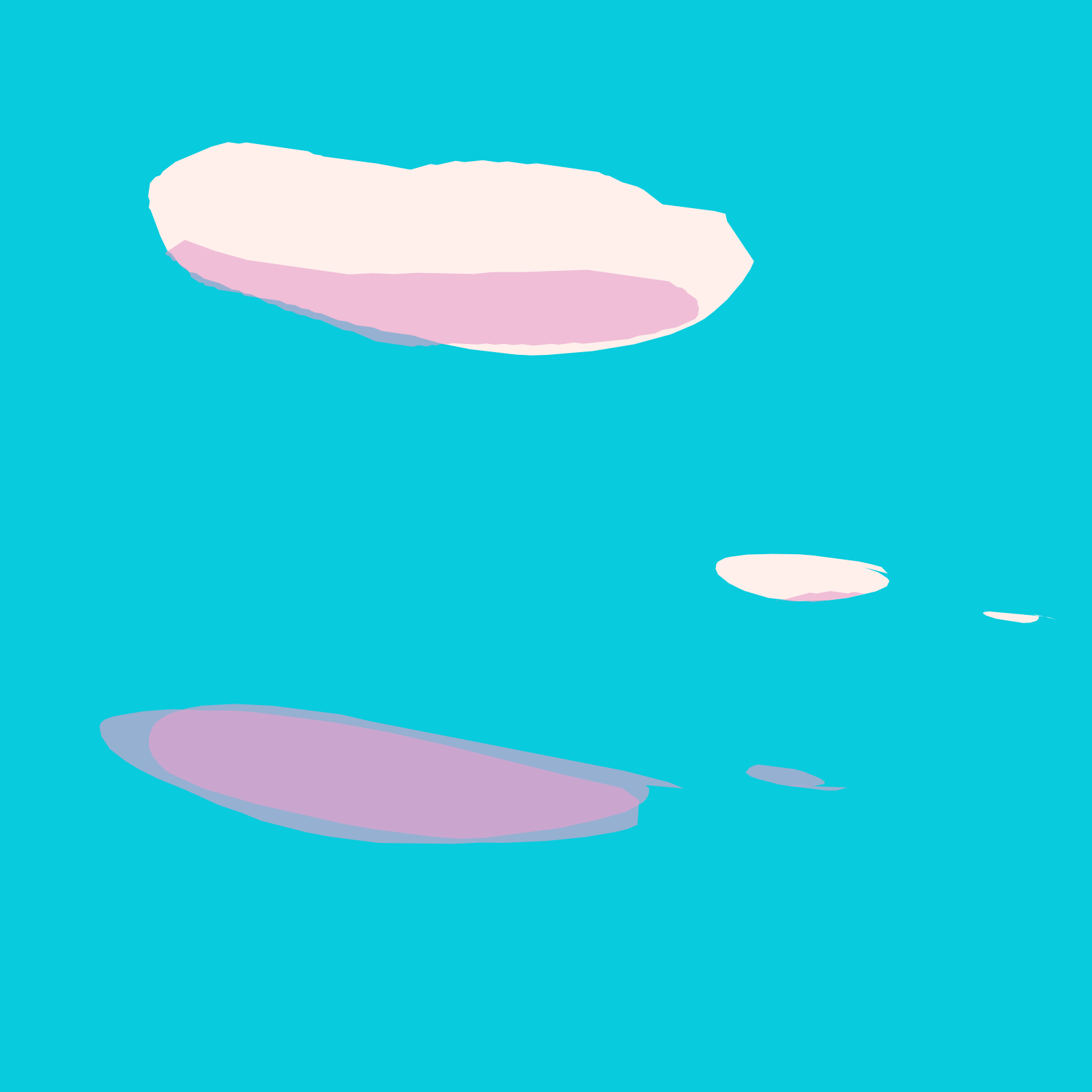
The frame is textile rather than image. Each piece sits inside the same square aspect, with the same approximate density, the same kind of slow motion. The overall effect is closer to a swatch book than a portfolio. They were made to live in a browser tab as a moving page rather than as art objects, and I find I leave them open.
Diffusion
Diffusion is around fifty-five AI-generated images made by writing prompts that name a subject and a painter, photographer, or sculptor. Smartphones in oil paintings. A bleak urban landscape in the style of Aleksey Savrasov. A Bauhaus-designed phone by Joost Schmidt. The sleeping angel in a smartphone game as Michelangelo would have sculpted her. Children using smartphones as Alessandro Gottardo would have drawn them.
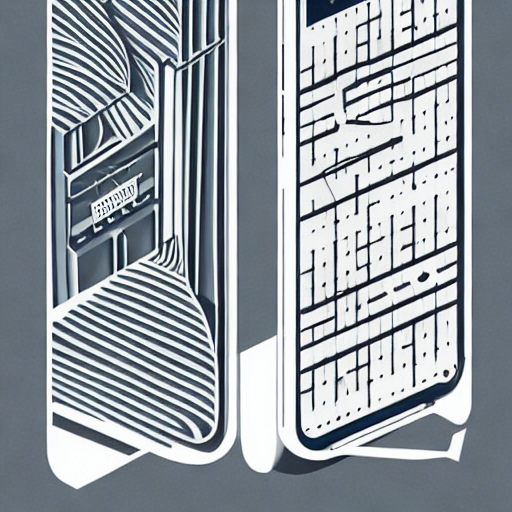
The interesting part is the prompt as an interface. A diffusion model is a strange object: a function that takes a sentence in and returns a picture out, conditioned by everything it has been trained on. Writing prompts is a kind of curation. The art-historical references are not there to flatter the result; they are the way I find a starting point that the model will know what to do with. ‘In the style of Hopper’ is not asking for a Hopper; it is asking for a vocabulary the model has internalised, and then steering inside it.
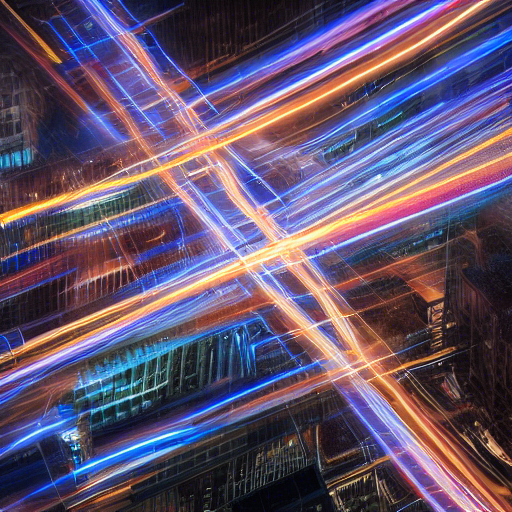
One thread that surprised me was the WiFi work. Immaterials: Light Painting WiFi in 2011 used a four-metre measuring rod and long-exposure photography to render WiFi as light. Asking a diffusion model what WiFi signals look like in 2024 returns something that is recognisably descended from that work, even though I never trained the model on it. The image above is hallucinated rather than measured. It is also not entirely wrong.
Where they sit together
What the three threads share is the same shape: an algorithm produces candidates, I curate and name them. The pen plotter draws on paper. The browser plays back the SVG. The diffusion model writes a PNG to disk. The generator is one half of the work; the editing, naming, and selection are the other.
Mousepath (2010) and the Touch / Immaterials work (2009–2014) treat data as a design material to be made visible. Plotting, Weaves and Diffusion do the same with algorithmic processes themselves.
Plotting, Weaves and Diffusion are personal pieces, made in parallel since 2024 alongside ongoing photography and Procreate drawing. Tools and pieces include an EleksDraw-class pen plotter, a small SVG generator written in TypeScript, and various diffusion models accessed locally and via Apple Silicon. Image files and source live on the Flickr archive and in personal repositories.