Photography
19 posts tagged.
-
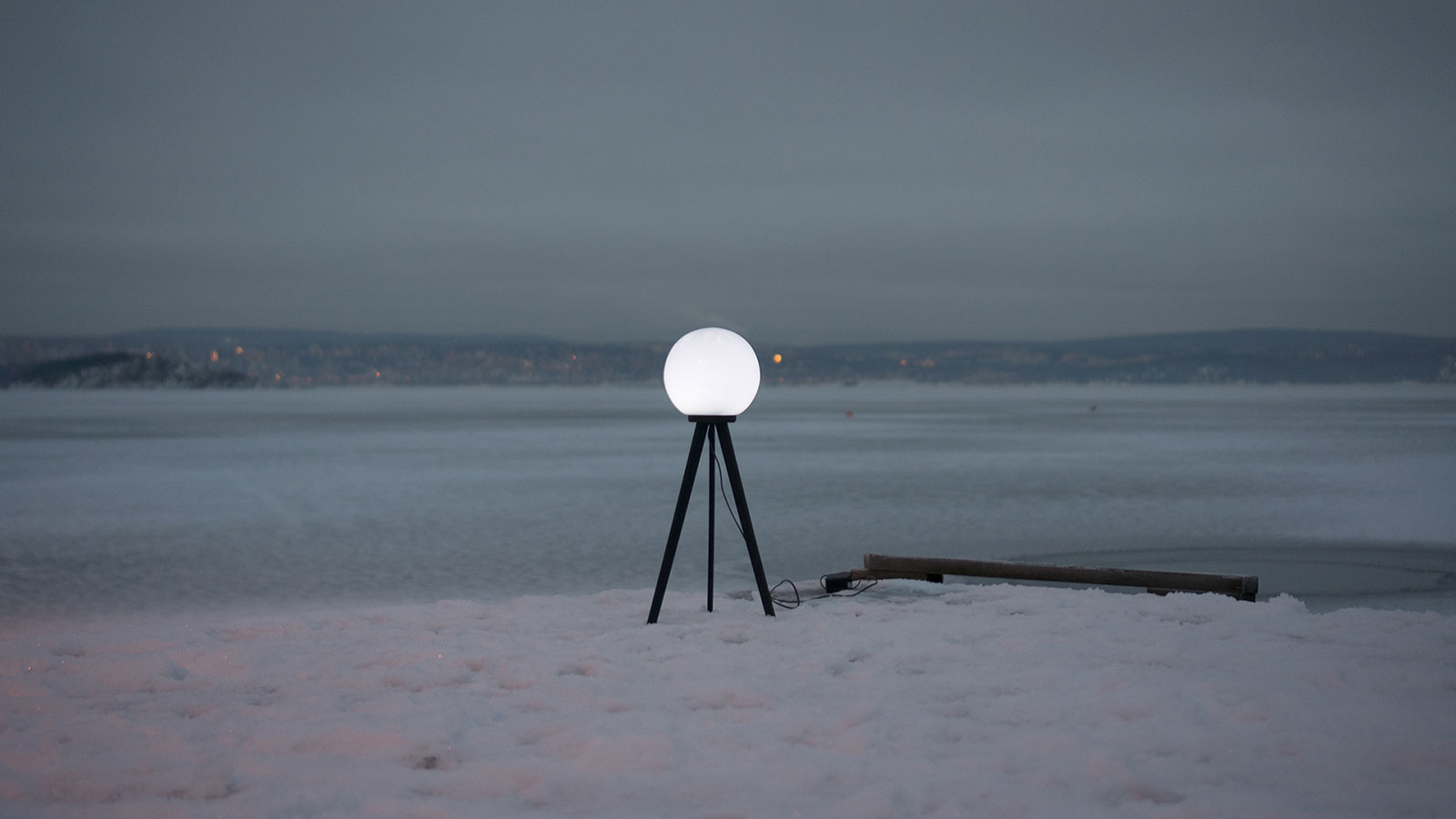
Satellite Lamps
Satellite Lamps is a project about making one of today’s most important infrastructures visible: GPS, the Global Positioning System. We built a series of lamps that change brightness according to the accuracy of the GPS signals they receive. Made with Einar Sneve Martinussen and Jørn Knutsen as part of the YOUrban research project at AHO.
-
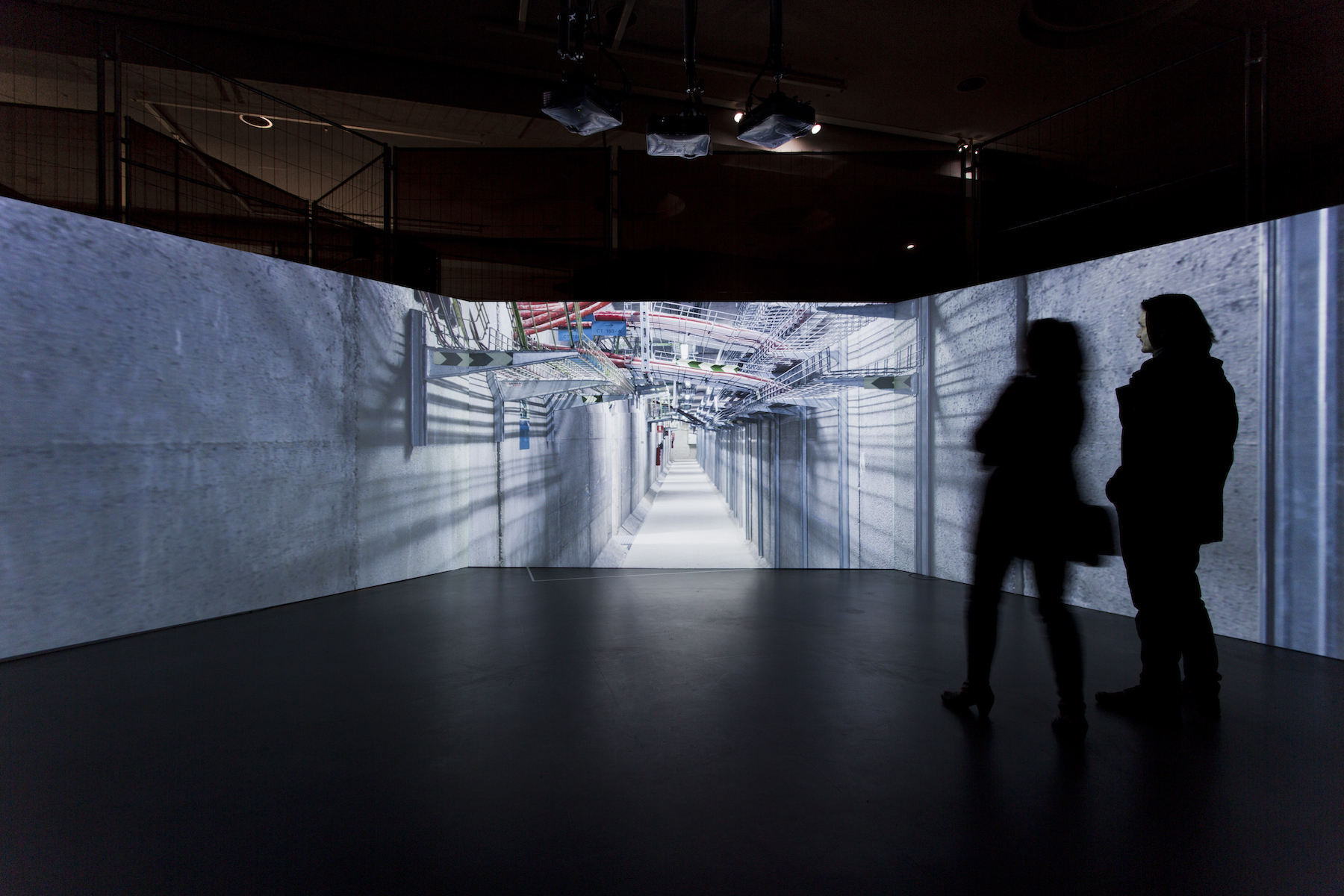
Internet Machine
Internet machine is a multi-screen film about the invisible infrastructures of the internet, shot inside one of the largest and most secure data centres in the world, run by Telefónica in Alcalá, Spain. I made it to show the physical reality of our data: the rooms, racks and machines through which ‘the cloud’ is transmitted and transformed.
-

Mother. Father. Always you wrestle inside me.
Clippings from Kartina Richardson’s writing on Terrence Malick’s The Tree of Life, on the voluptuous, bulging energy of the film, on Jessica Chastain and Hunter McCracken, and on how to approach the dinosaur sequence: “Just listen.”
-
CCD and computational photography
A few links on imaging and computation: from CCD by Joe Gregorio . Via BERG. from Computational Photography, American Scientist from What Photography Will Look Like By 2060
-
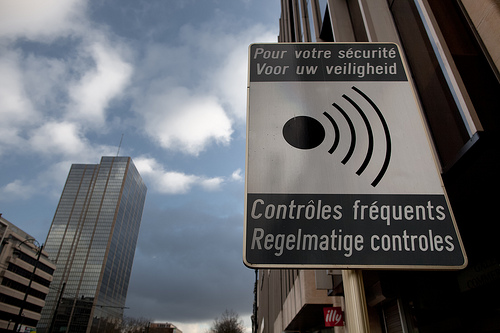
Pour votre sécurité
A single photograph of ‘Pour votre sécurité’ signage, dated 17 January 2010.
-

Speculative practitioners symposium at the AA
A note on the AA School’s symposium on speculative practitioners, bringing in gaming, film, comics, animation, literature and art as alternative models and test sites for architectural imagining.
-
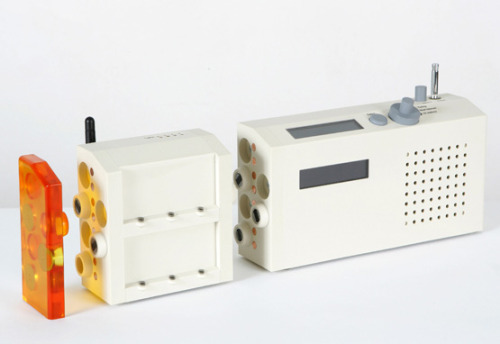
Olinda: digital radio prototypes from Schulze & Webb
A note on Olinda, a set of home digital radio prototypes by Schulze & Webb (later BERG). A small number of fully functioning prototypes showing that it’s possible to design social, Web-like experiences using industry-standard DAB chip-sets and conventional manufacturing.
-

Schulze on design as invention
Jack Schulze, quoted in Matt Webb’s Scope talk at reboot11, arguing that design has to invent, to create new ways of doing things and to contribute to culture. From slide 4 of 44.
-
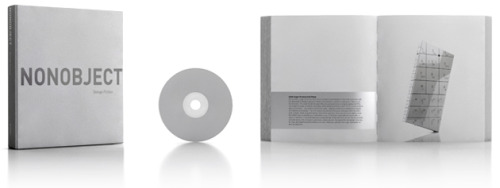
Design fictions as a book
A note on Nonobject’s book of “design fictions”, objects that cannot exist because the material, business plan, manufacturing process, infrastructure or human sensibility is not yet available. Creating them makes it possible to explore the meaning of design at a more profound level and to think more richly about what is and what might be.
-
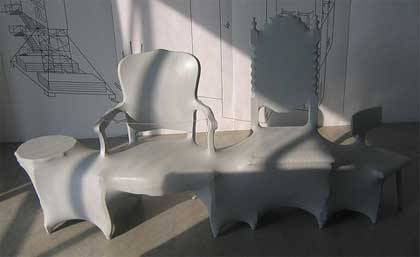
Boelen on critical design’s gimmick problem
A note on Jan Boelen’s argument that when journalists cover Guixé, Bey or Dunne & Raby they tend to pick out the gimmick side of the work and miss the global vision, and that an international crowd has grown up imitating that gimmicky surface. Via we-make-money-not-art.
-
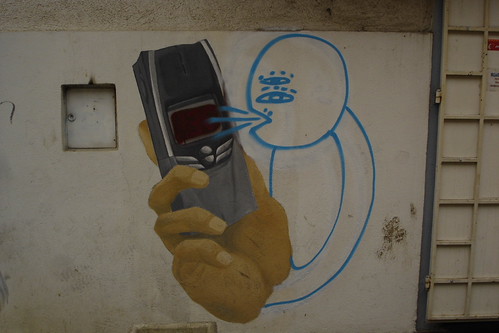
Graffiti as conversation
A short 2005 observation: photographing layers of conversation in graffiti, tagged ‘conversation’ on Flickr, prior art for thinking about spatial annotation on shared public surfaces.
-
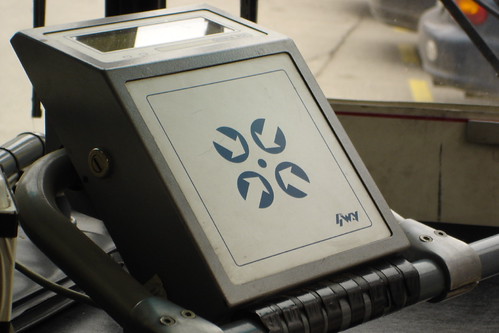
Photos of touch-based interfaces
A February 2005 note that became the start of a longer-running photographic project. In the way Victor Lombardi was collecting images of cardreaders, I was starting to collect images of touch-based interfaces like the Oyster card and other ‘touchable’ interfaces on public transport.
-
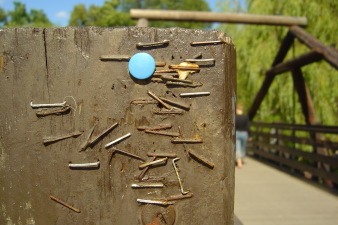
Spatial memory at Design Engaged 2004
Presentation notes from Design Engaged 2004 in Amsterdam. Two related strands: the Time that land forgot project with Even Westvang (five months, 8000 photos, visualised by date and time of day), and the research on marking in urban public space.
-
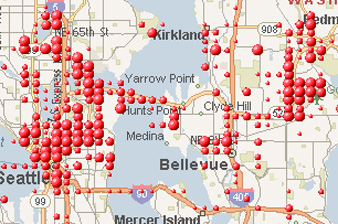
Time that land forgot
A 2004 project with Even Westvang from the Iceland inside-and-out workshop, a prototype for contextualising photographs by time and geography, designed to shift the balance of representation away from pure location and towards image and time.
-
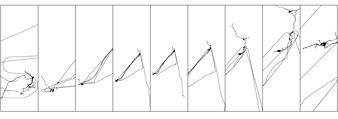
Photography and mapping from Afar
My contribution to ‘Afar’, an exhibition in Copenhagen where 25 international artists produced work to brief. For three months I recorded every walk, drive, train journey and flight I took while photographing daily life. Nine boards of images paired with GPS tracks drawn as simple lines show the transition from London to Oslo across a winter and spring.
-
Geo-referenced photography
The simplest way to link a photograph to a location is to combine two time-stamps: one from the digital camera, one from the GPS receiver. Given both sets of timestamps over the same period, a series of images and tracklogs can be processed to stamp each image with location metadata. Compiled in July 2004 at the Hofn workshop in Iceland, during the work that became Time that land forgot . A working reference list of papers, projects, guidelines, tools and the technical issues that surrounded geo-referenced photography at that moment. Most of the links below are now dead; the list is preserved as a snapshot of what the state of the art looked like in 2004. Position-annotated Photographs: The Geotemporal Web GEOREP: Digital Library for Spatial Data Geographic location tags on digital images, Microsoft Portable digital photo album Tokyo Picturesque ( details ) Habitat Perspectives Photo Location ( metadata notes ) Geo Snapper WWMX web demo Good list of other photo mapping projects Commercial applications and scripts that link photographs to geographic information: Robophoto 93 Photo Street Photofusion Media Mapper OziPhotoTool GPS photo link GPS TrackMaker QuakeMap WWMX Travelogue app…
-
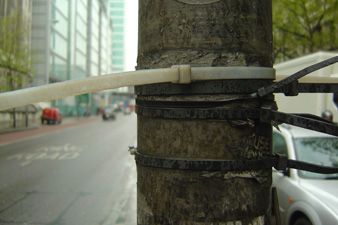
Public markup
Early PhD research into the marking of public space: the physical annotation of the city through stickering, graffiti and billboards. It looks for patterns in visibility, techniques, process, location, content and audience, and argues that the new short-range digital technologies, especially RFID, should be designed the same way. Not invisible.
-
Travelogue
A 2004 note on treating digital photography as a narrative medium, sequences of photos that suggest movement, place, stories and journeys. With plans to tag each image with a GPS coordinate so the sequence carries place as well as time.
-
Photography books
This is one of a series of reading lists I put together between 2002 and 2004 when I was starting out in interaction and experience design, building out a personal canon from books I was buying, borrowing from libraries, or lending to students. The lists are grouped by topic. Photography has always run parallel to my design practice, and this list is the shelf I was building then: theory, practice, and the monographs I was learning from. Berger’s two books, Ways of Seeing and Another Way of Telling (the latter with Jean Mohr), are the essential reading. Mitchell’s The Reconfigured Eye is the clearest book on what photography became when it went digital. Hockney’s Cameraworks is the photographer’s-eye-view on composite image-making. The rest are monographs I was returning to: Graham, Gursky, Shulman on Modernism. The Amazon links below are what I had at the time, most will be dead now, but the ISBNs will find you a copy. John Berger, Jean Mohr. amazon.co.uk / amazon.com John Berger. amazon.co.uk / amazon.com William J. Mitchell. amazon.co.uk / amazon.com Fred Ritchin. amazon.co.uk / amazon.com Paul Graham, Andrew Wilson. amazon.co.uk / amazon.com Marie Luise Syring et al. amazon.co.uk / amazon.com