Film
13 posts tagged.
-
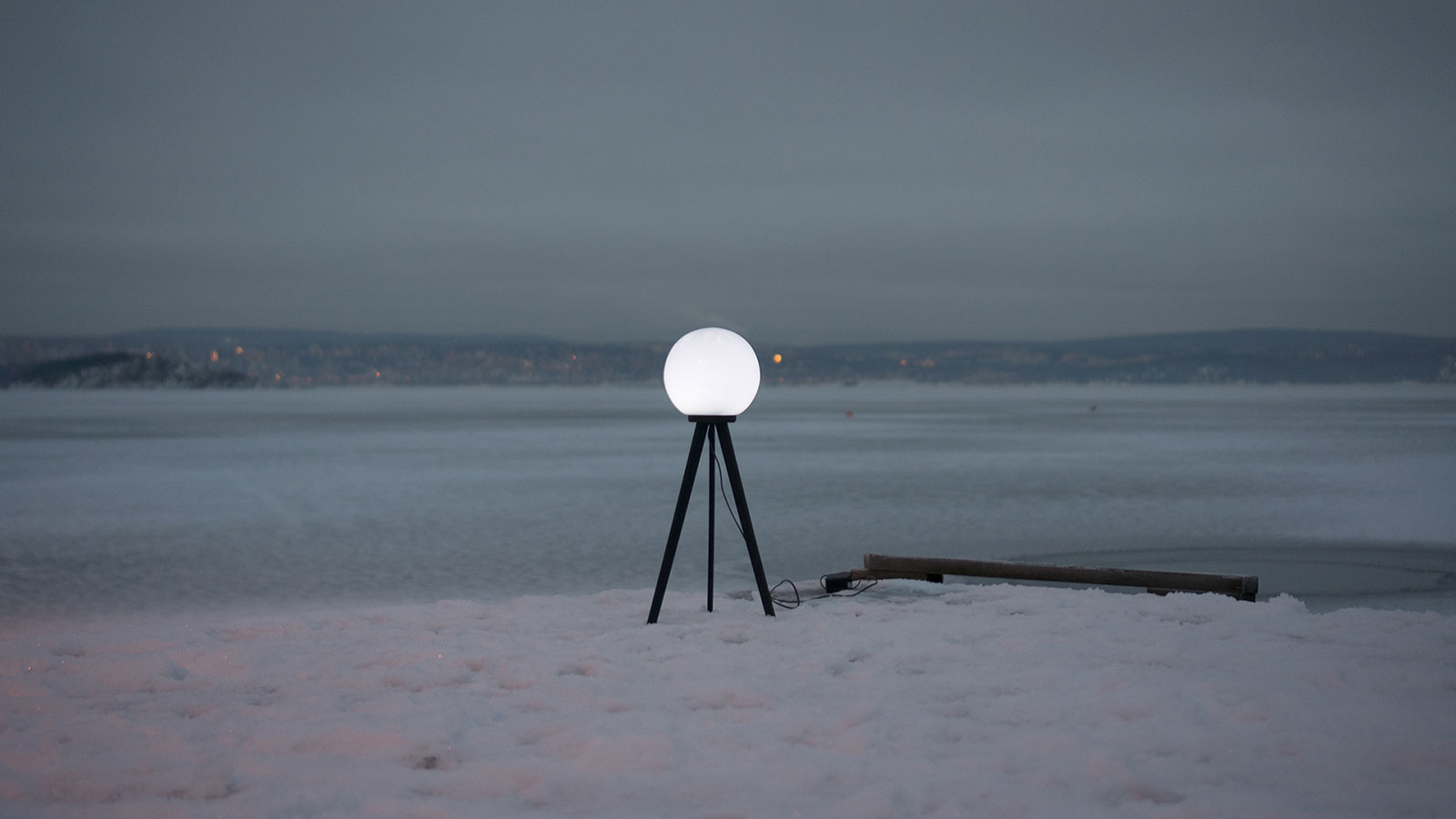
Satellite Lamps
Satellite Lamps is a project about making one of today’s most important infrastructures visible: GPS, the Global Positioning System. We built a series of lamps that change brightness according to the accuracy of the GPS signals they receive. Made with Einar Sneve Martinussen and Jørn Knutsen as part of the YOUrban research project at AHO.
-
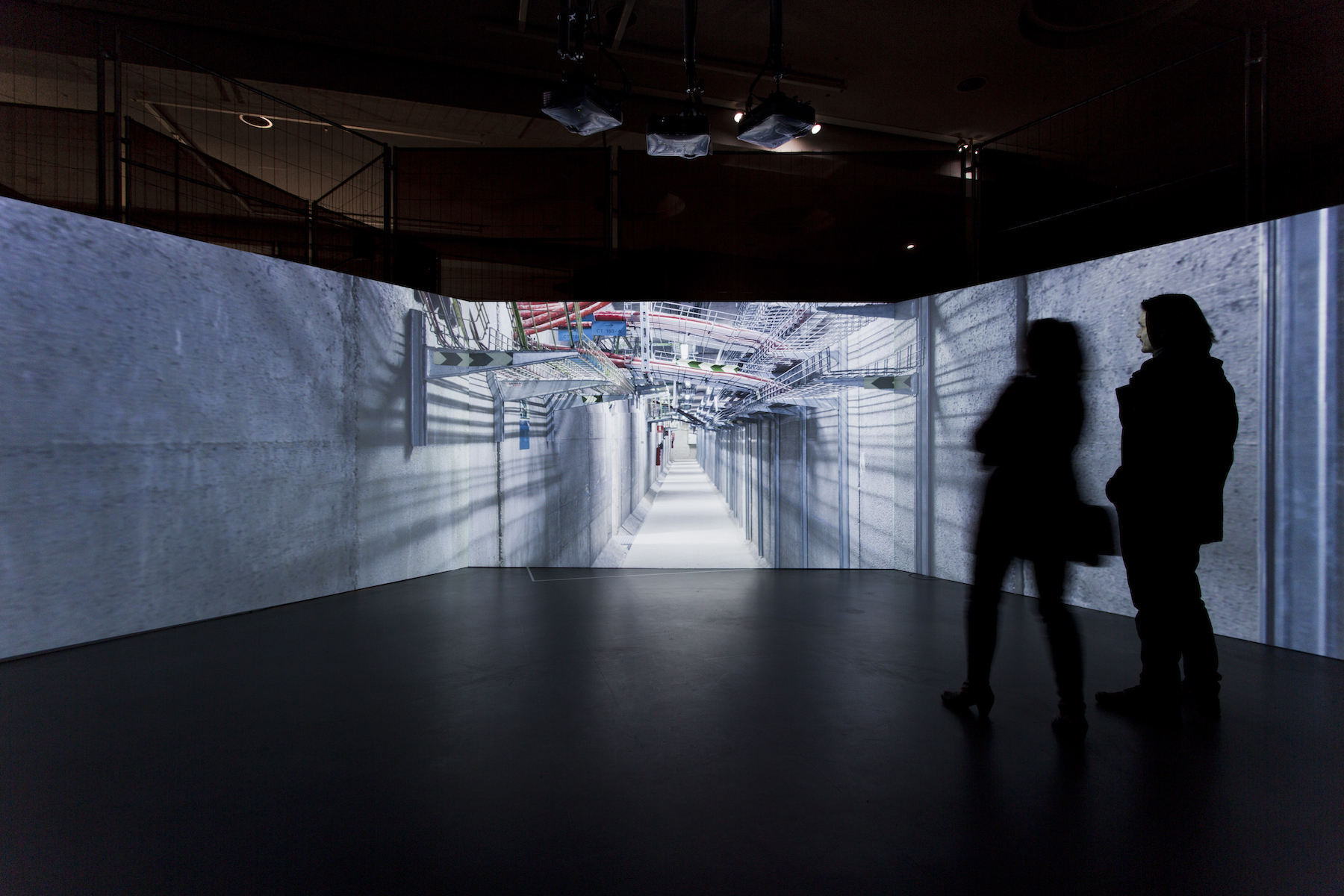
Internet Machine
Internet machine is a multi-screen film about the invisible infrastructures of the internet, shot inside one of the largest and most secure data centres in the world, run by Telefónica in Alcalá, Spain. I made it to show the physical reality of our data: the rooms, racks and machines through which ‘the cloud’ is transmitted and transformed.
-
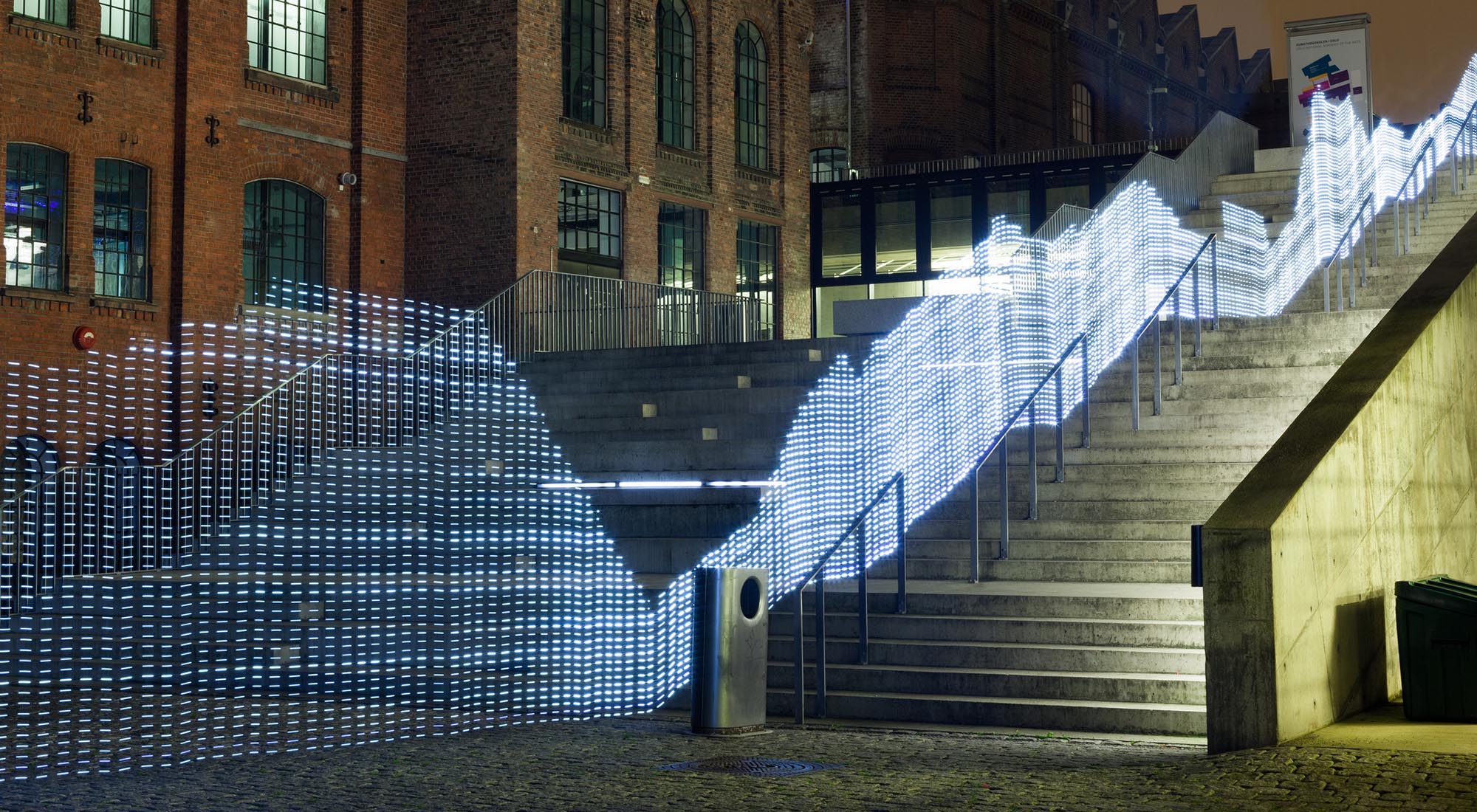
Immaterials at the Vimeo awards 2012
The film Immaterials: Light painting WiFi, made with Einar Sneve Martinussen and Jørn Knutsen as part of the YOUrban project, is a finalist at the Vimeo Awards 2012. Awards ceremony on 7 June, New York City.
-
Talk to Me
I have five works in MoMA ’s latest exhibition ‘ Talk to Me ’ in New York. The works are Nearness , Immaterials , Media Surfaces , The Journey and Suwappu . I have written more about the exhibition and the works at the Touch and BERG weblogs. The exhibition has also been reviewed by CNN , the New York Times , Fast Company and the Wall Street Journal amongst others .
-
The films of Adam Lisagor
I’ve been quite taken with the films of Adam Lisagor for a while. He’s good at surfacing the joy and pleasure in some of the smallest interactions, particularly evident in this ad for the Jambox by Jawbone .
-
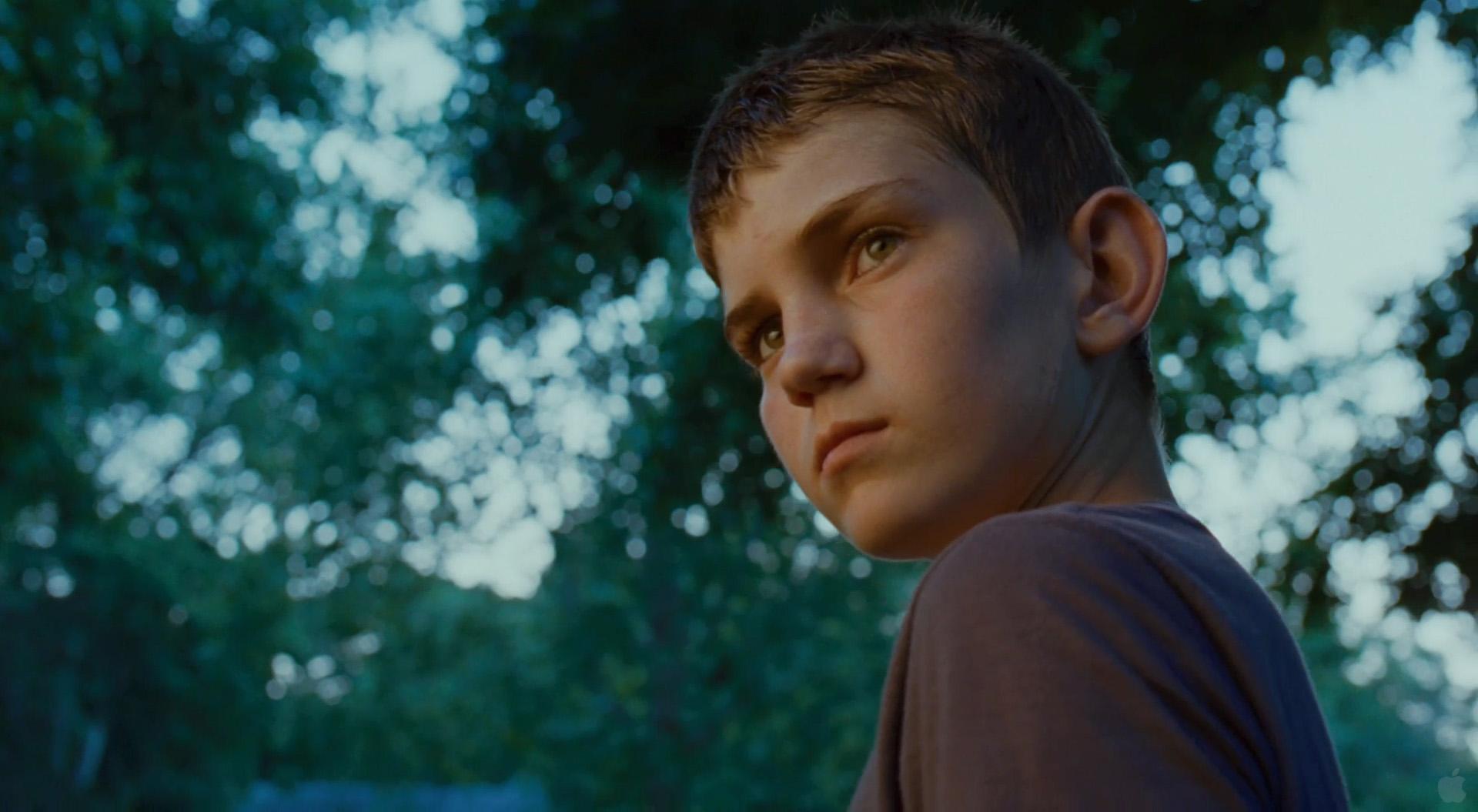
Mother. Father. Always you wrestle inside me.
Clippings from Kartina Richardson’s writing on Terrence Malick’s The Tree of Life, on the voluptuous, bulging energy of the film, on Jessica Chastain and Hunter McCracken, and on how to approach the dinosaur sequence: “Just listen.”
-
A phone to save us from our screens?
Microsoft has two new ads, anticipating their upcoming Windows Phone 7 launch. The first is an almost post-apocalyptic vision of humanity stuck with their heads in their mobile devices: Here’s David Webster , chief strategy officer in Microsoft’s central marketing group, explaining their anti-screen strategy: The problem of glowing rectangles is a subject close to my heart , and Matt Jones has been bothered by the increase in mobile glowing attention-wells . I think Microsoft & Crispin Porter + Bogusky’s advertising strategy stands out in a world full of slick floaty media . The only problem is that without any strategy towards tangible interaction, I’m not sure the ‘tiles’ interaction concept is strong enough to actually take people’s attention out of the glass.
-
Olars: physical toy inspired by karl sims evolved creatures
A lovely piece of work by Lars M. Vedeler and Ola Vågsholm from the Tangible Interactions course at The Oslo School of Architecture & Design: Olars on Vimeo
-
Augmented (hyper)Reality
Augmented (hyper)Reality by Keiichi Matsuda A competent visualisation of an undesirable future.
-
Parallel tracking and mapping for small AR workspaces
I love how it goes in and out of register, and how it ‘picks up’ the registration from an initial set of objects. People will end up intuiting that AR works in certain ways “not around trees” for instance, or only in “static scenes”. YouTube – Parallel Tracking and Mapping for Small AR Workspaces (PTAM) – extra .
-
Film books
This is one of a series of reading lists I put together between 2002 and 2004 when I was starting out in interaction and experience design, building out a personal canon from books I was buying, borrowing from libraries, or lending to students. The lists are grouped by topic. Film has always been a neighbouring discipline, and this list is about the craft: directing, editing, sound, screenwriting, the architecture of the frame. Bordwell & Thompson’s Film Art is the textbook every interaction designer should also read: how scenes work, how cuts work, how attention works. Tarkovsky’s Sculpting In Time and Kieslowski on Kieslowski are the directors’ own accounts of their thinking. Michel Chion’s Audio Vision is the essential book on sound-image relationships; I keep returning to it. Lumet’s Making Movies is the working director’s how-to. The Amazon links below are what I had at the time, most will be dead now, but the ISBNs will find you a copy. David Bordwell, Kristin Thompson. Classic textbook, required reading. amazon.co.uk / amazon.com Andrey Tarkovsky. amazon.co.uk / amazon.com Andrey Tarkovsky. amazon.co.uk / amazon.com Danusia Stok, Krzysztof Kieslowski. A thorough insight into Kieslowski’s process, thinking and ideology. Wonderful.
-
Narrative books
This is one of a series of reading lists I put together between 2002 and 2004 when I was starting out in interaction and experience design, building out a personal canon from books I was buying, borrowing from libraries, or lending to students. The lists are grouped by topic. This one is on narrative: interactive storytelling, theatre as a model for interaction, story structure, and the sequential-art tradition of comics. Janet Murray’s Hamlet on the Holodeck and Brenda Laurel’s Computers As Theatre are the two foundational texts that frame interaction design as a narrative practice. Campbell’s The Hero with a Thousand Faces is the story-structure canon. And Scott McCloud’s Understanding Comics, along with Eisner’s books, are among the most useful things an interaction designer can read, more practical than most HCI books for thinking about pacing, framing, and the relationship between words and images. The Amazon links below are what I had at the time, most will be dead now, but the ISBNs will find you a copy. Janet H Murray. amazon.co.uk / amazon.com Mark Stephen Meadows. amazon.co.uk / amazon.com Brenda Laurel. amazon.co.uk / amazon.com Joseph Campbell. amazon.co.uk / amazon.com
-
Interaction and narrative workshop
Notes from a lecture given at Channel 4 in London in February 2002, as part of the Mesh Scheme for digital animation filmmakers. The lecture is aimed at designers and filmmakers thinking about how to make narratives that involve user or audience interaction. Ideologies, examples, processes and the practicalities of stories that aren’t linear. Full notes from the lecture are here .